Entertainments
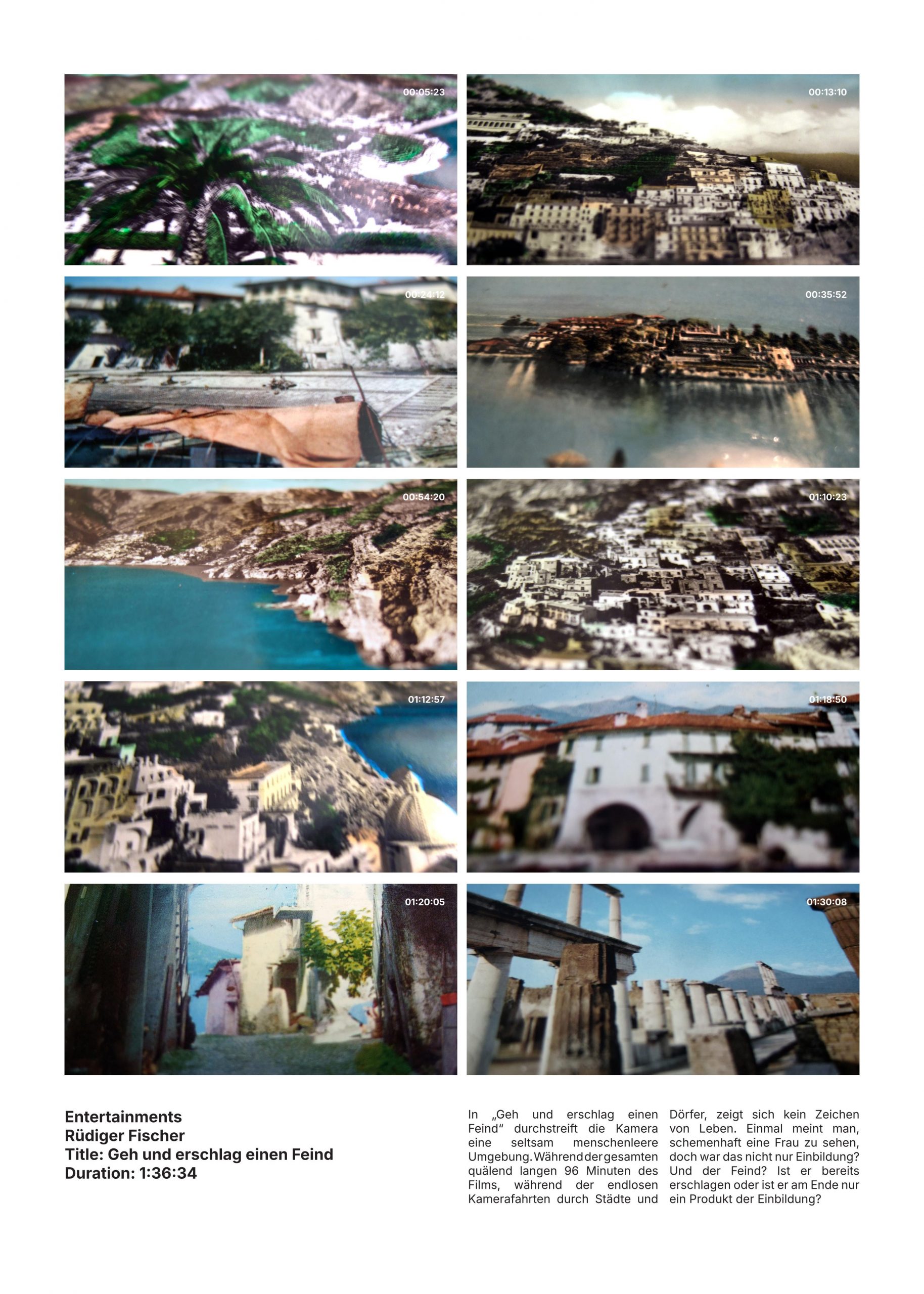
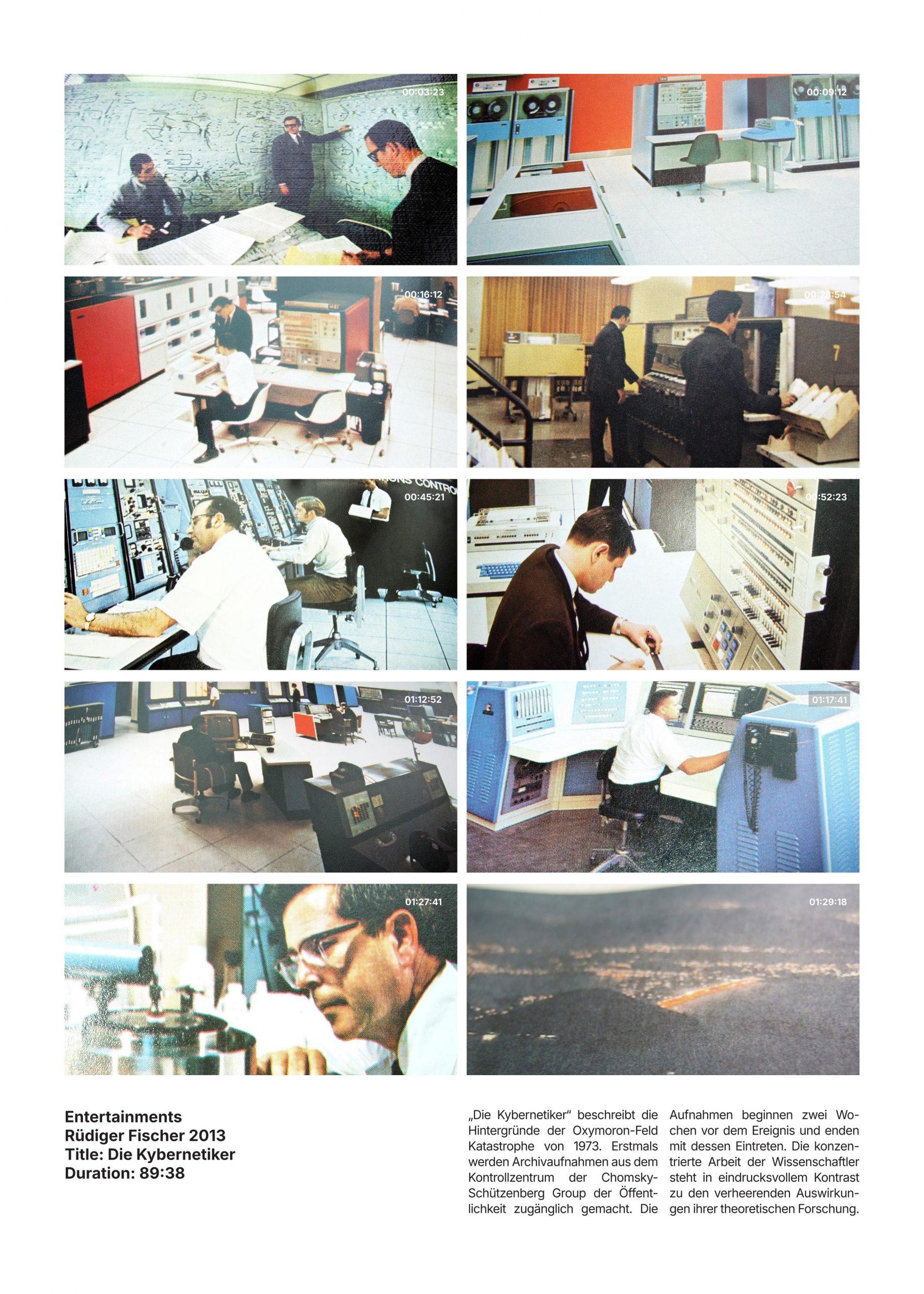
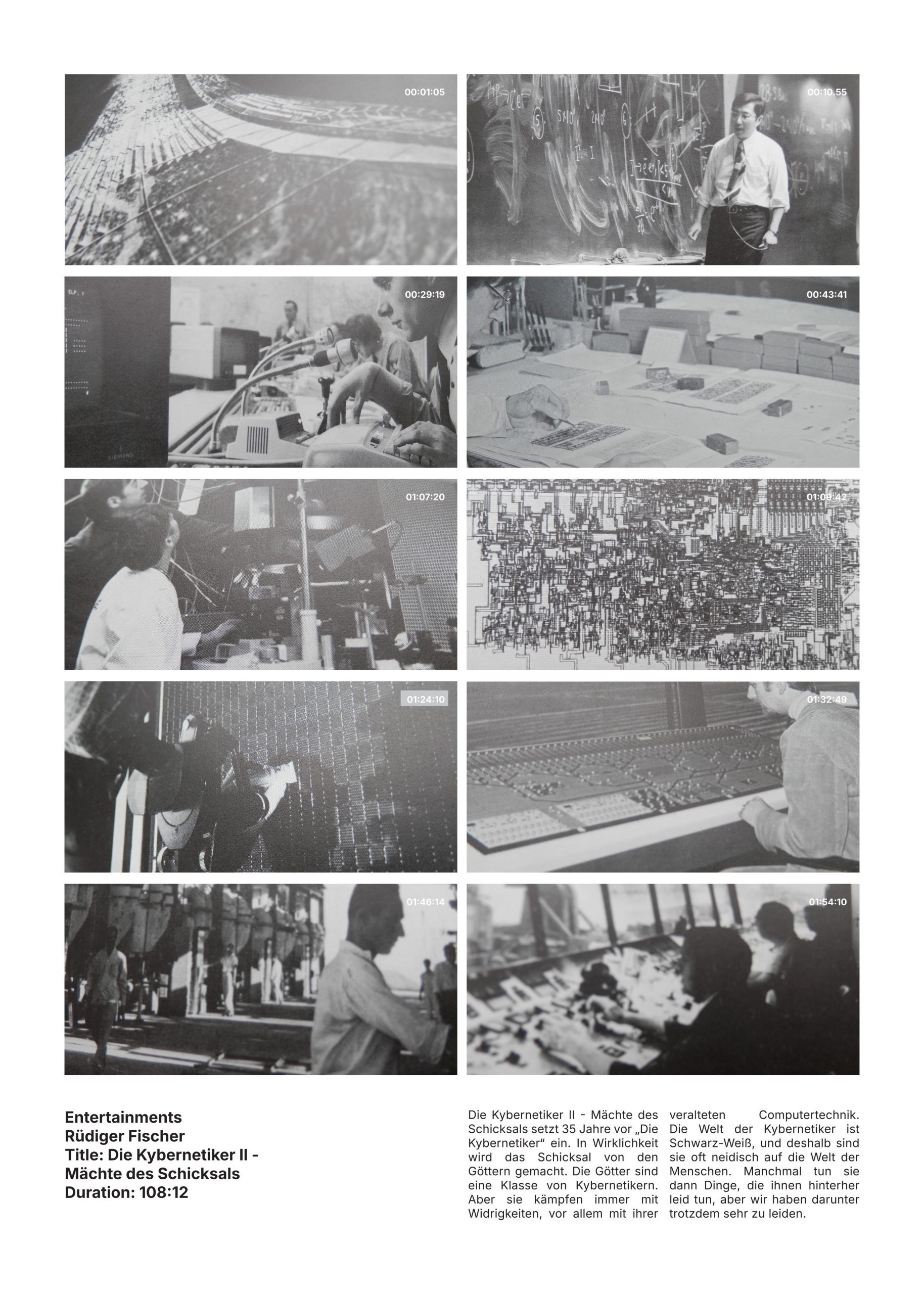
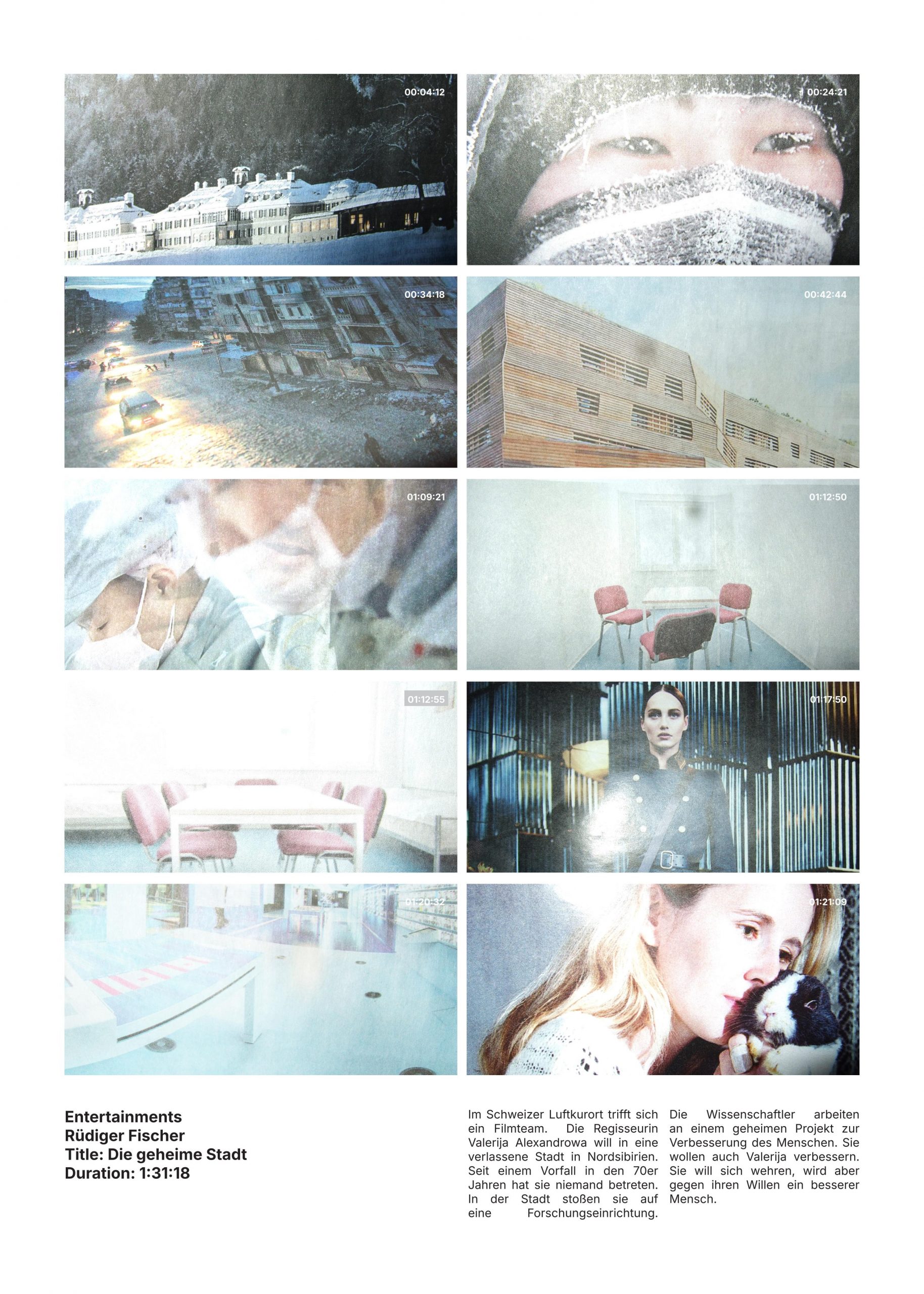
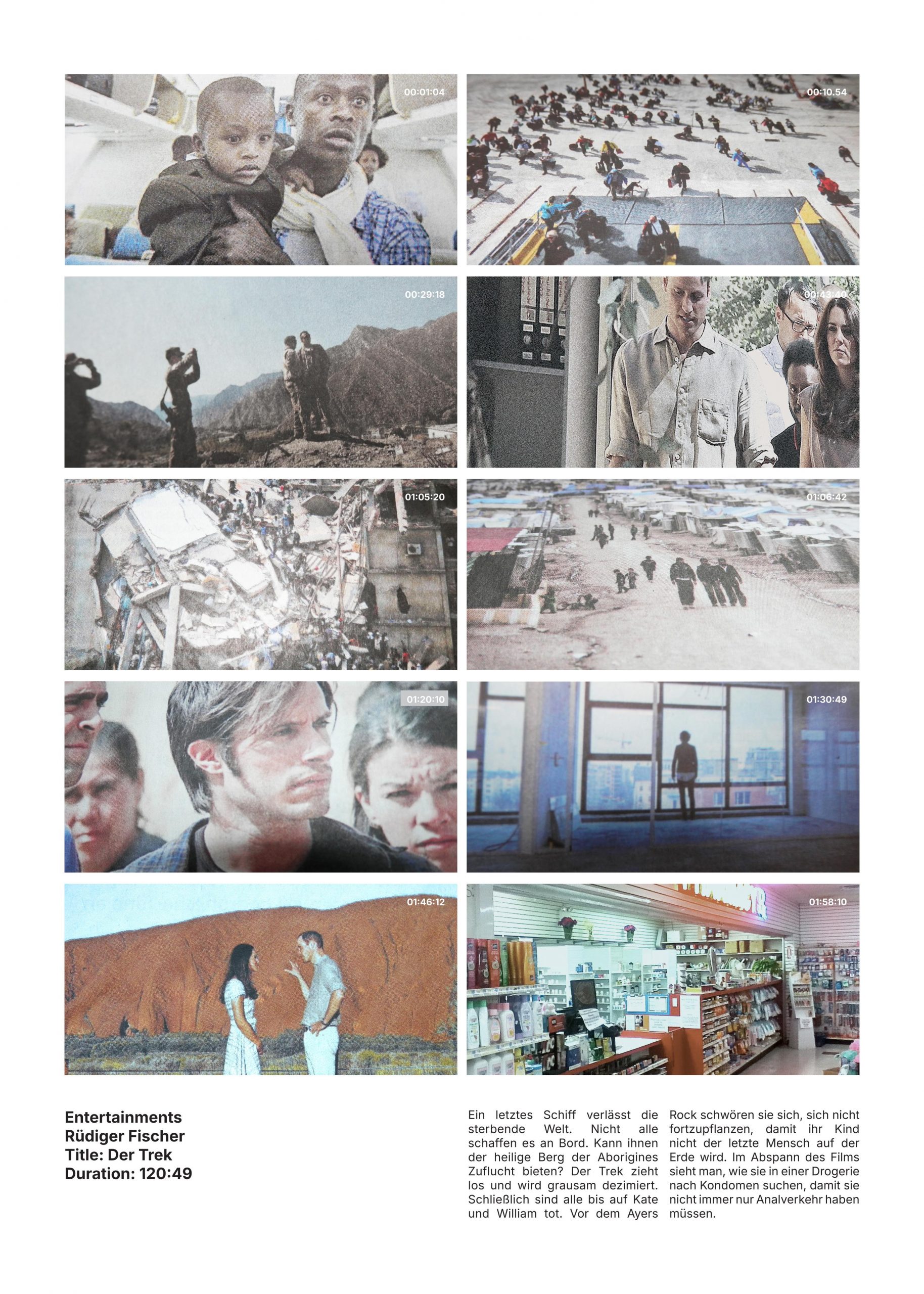
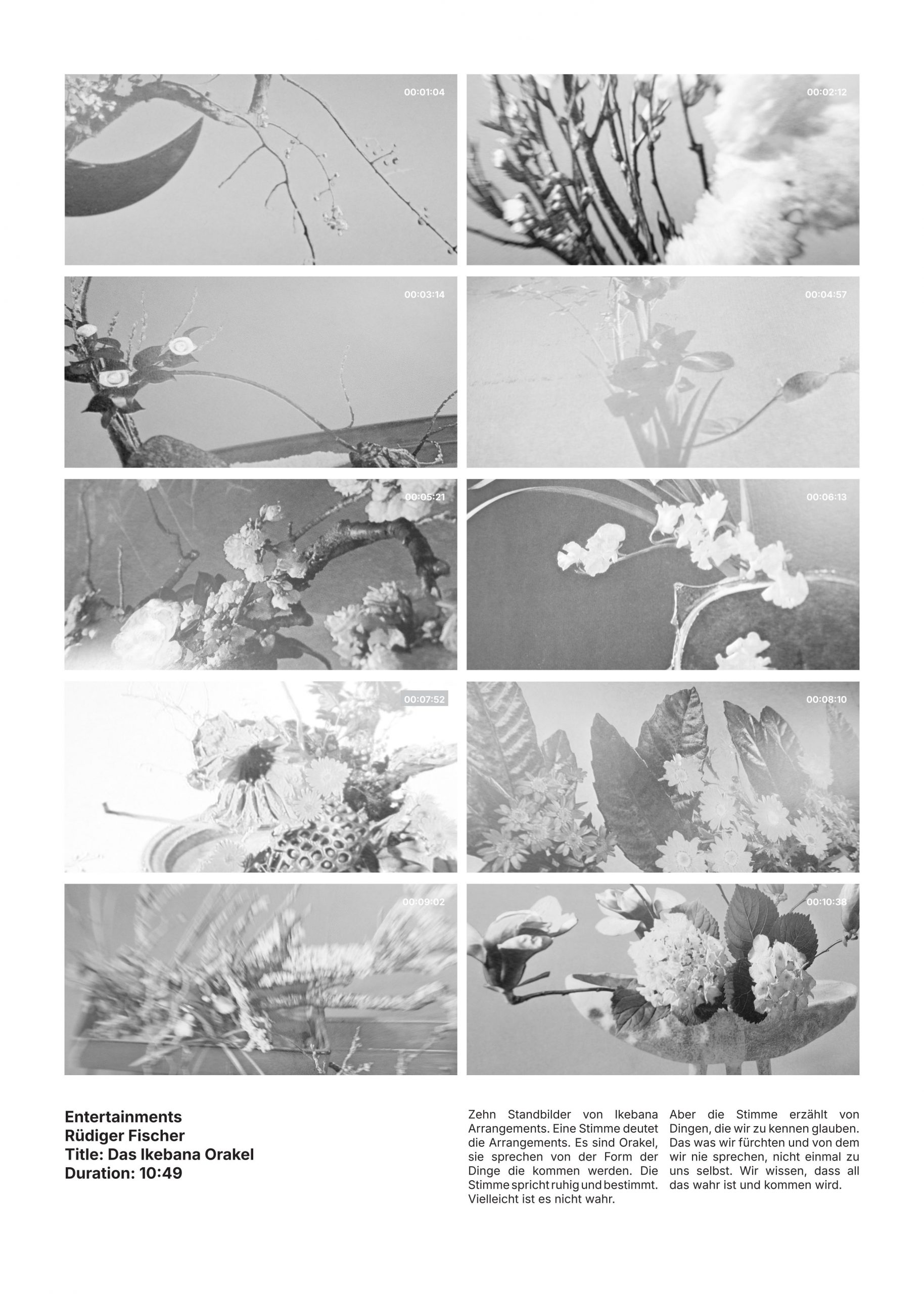
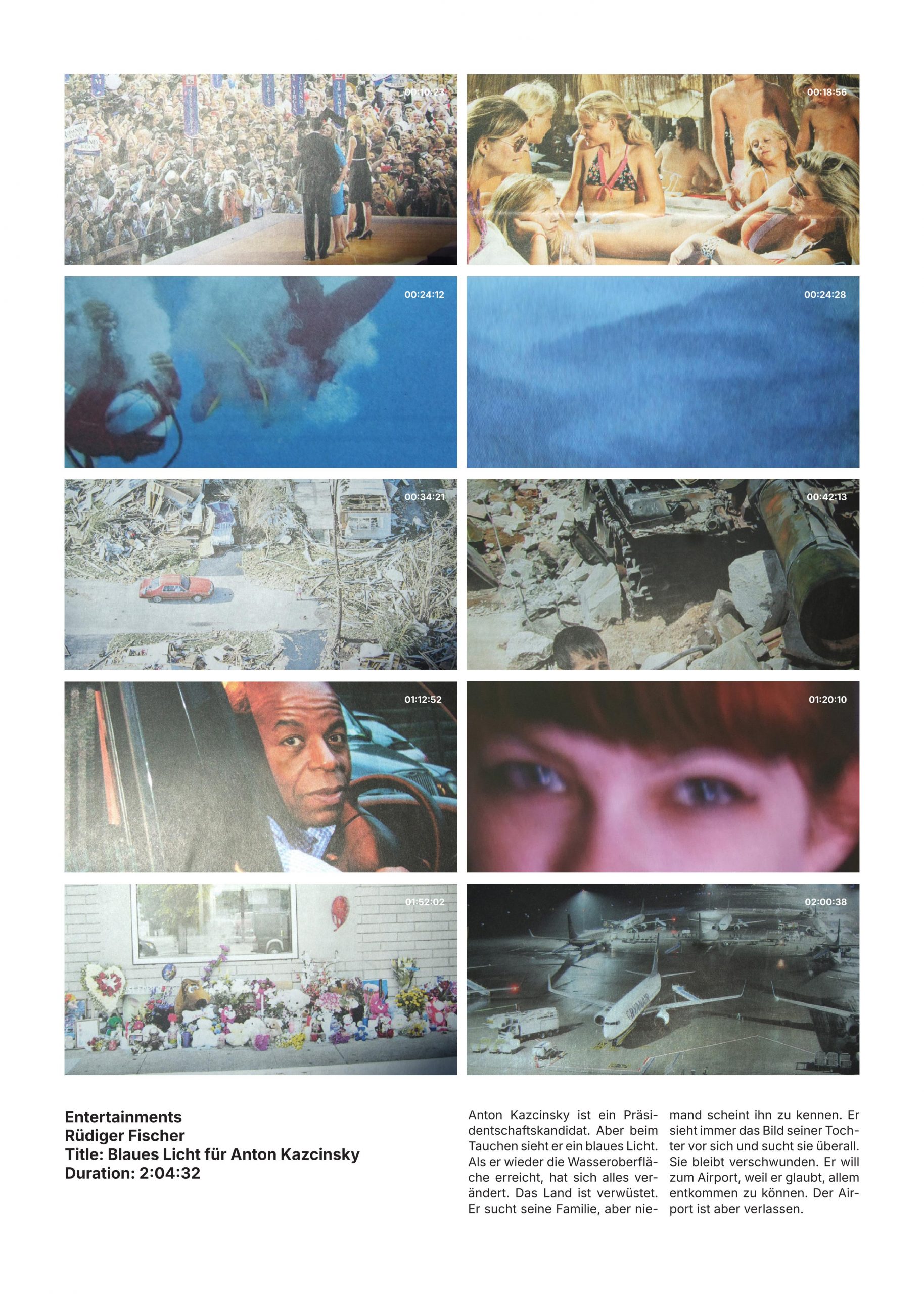
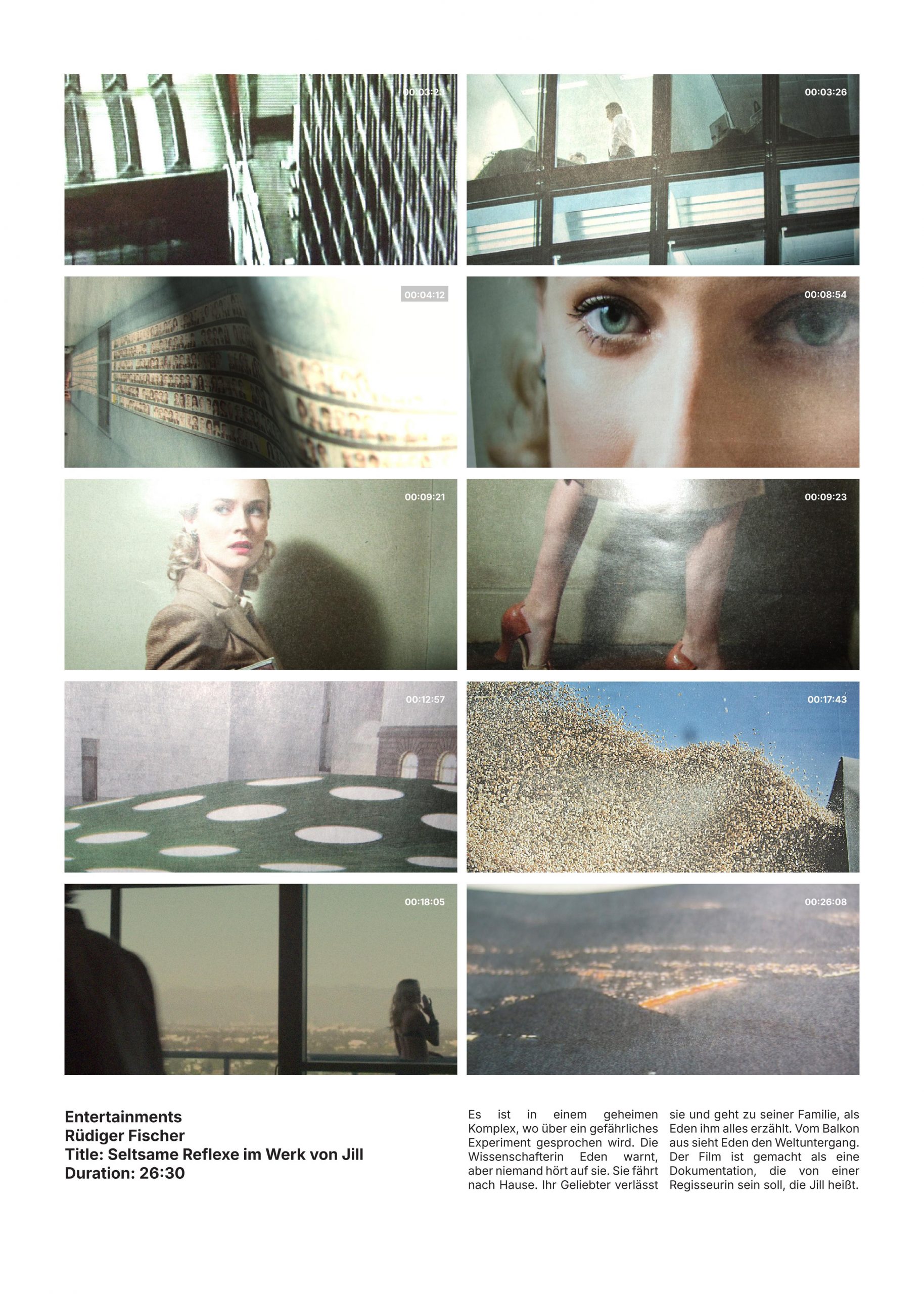
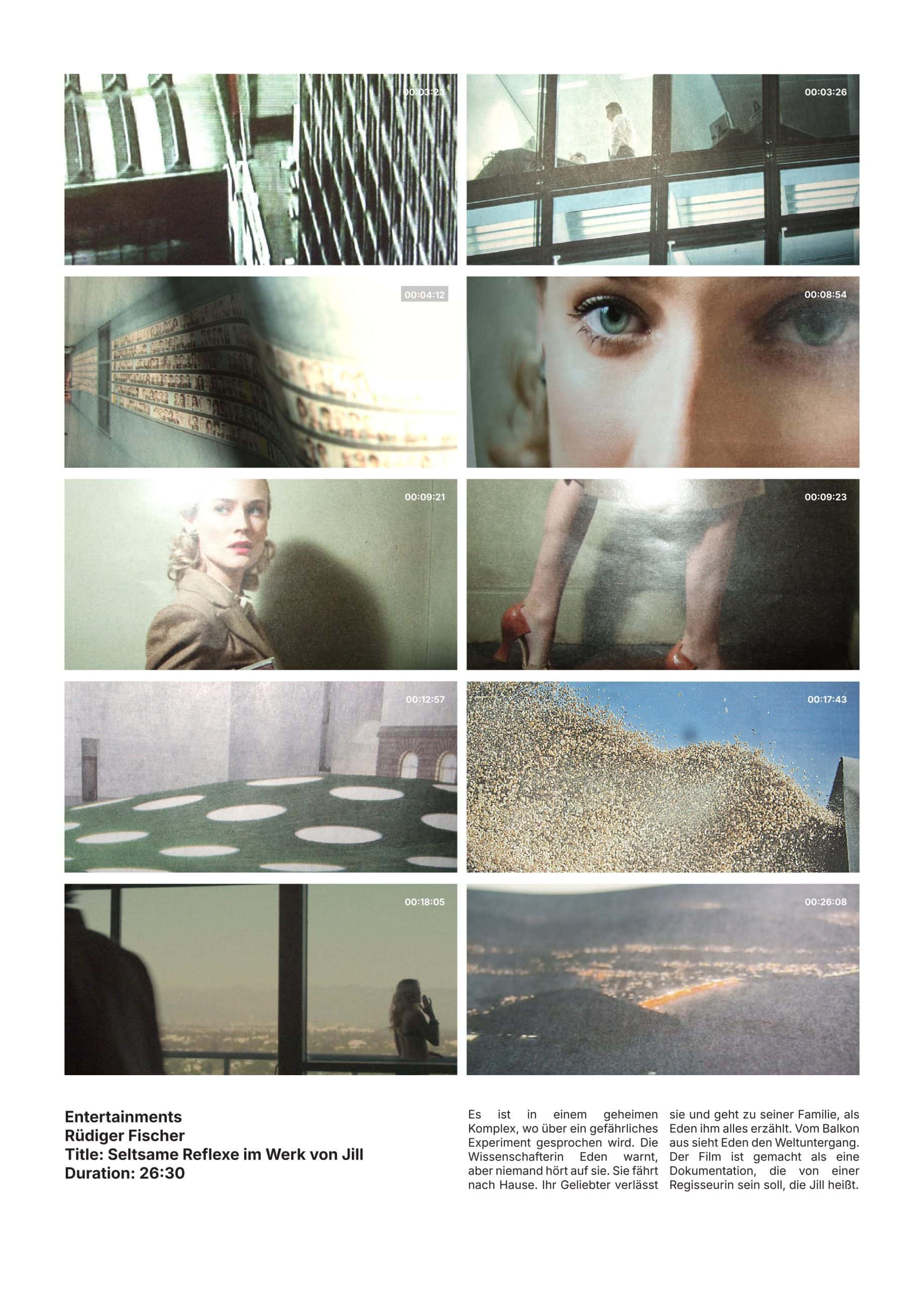
Entertainments presents a set of ten still images. Each work is accompanied by a film title, a running time and a short synopsis.
The photographs clearly do not come from any real film but from a process of media recycling. They are re-photographed images sourced from newspapers and magazines, sometimes from another film or a book — signs that have been removed from their original context and rearranged. Traces of their former meaning remain attached to them, as in Der Trek, where William and Kate, far from Windsor, negotiate their own rules for surviving the apocalypse.
All of these mashups tell a dystopian (anti-utopian) story. Even the term Entertainments is borrowed from a dystopian narrative: David Foster Wallace’s Infinite Jest, in which the underground filmmaker James O. Incandenza and his “Entertainments” play a central role. My Entertainments follow the archetypes of fantastic cinema. We recognise these structures instantly: the end of the world, the secret organisation, the flight from an unnamed threat, the struggle against external forces.
One of the central questions of Entertainments may be this: what does the individual sign (the image) actually refer to? It has undergone so many medial and contextual transformations that its source of meaning becomes uncertain. Put differently: what kind of reality is produced by the Entertainments themselves?