La Mer – en
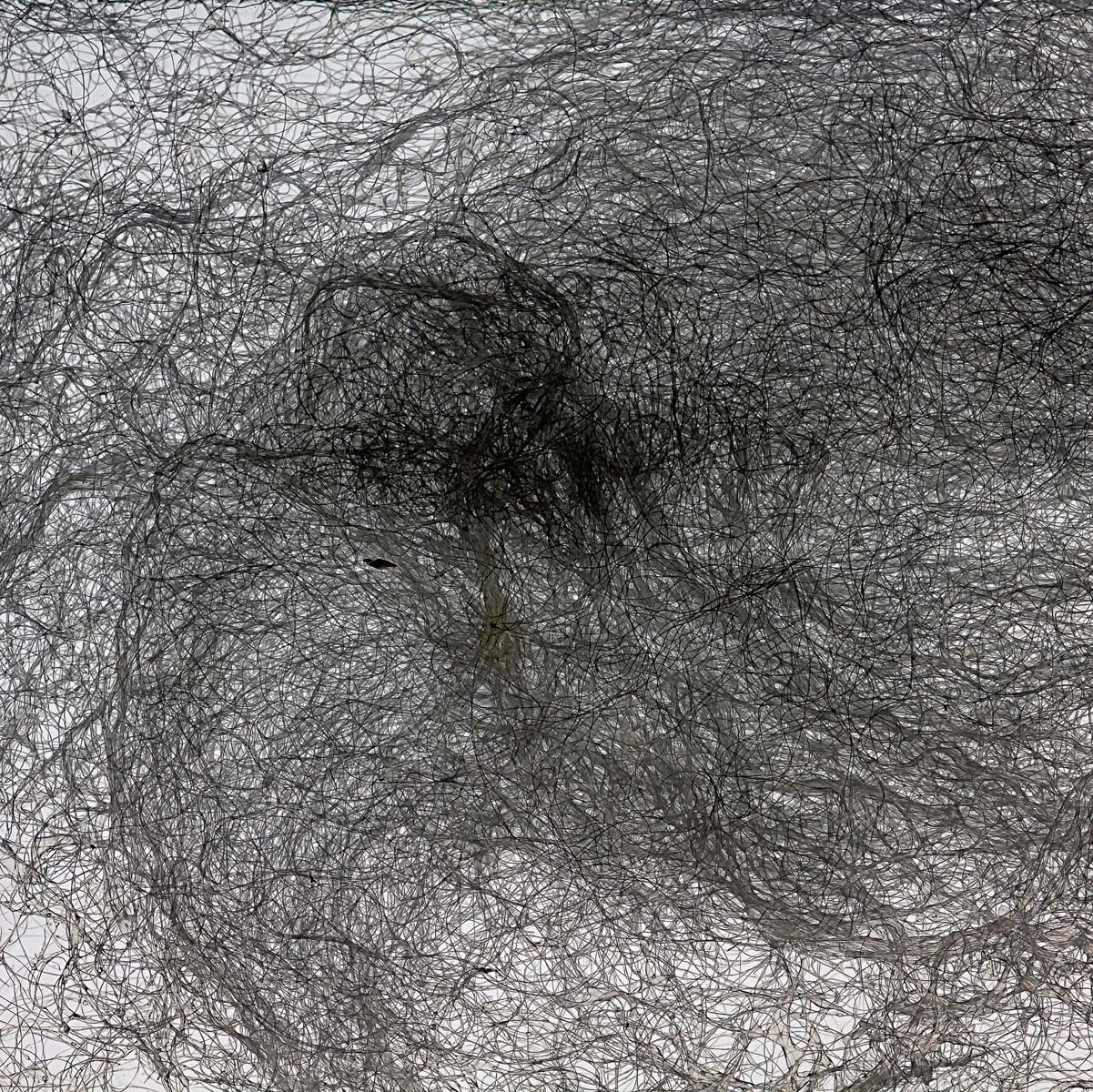
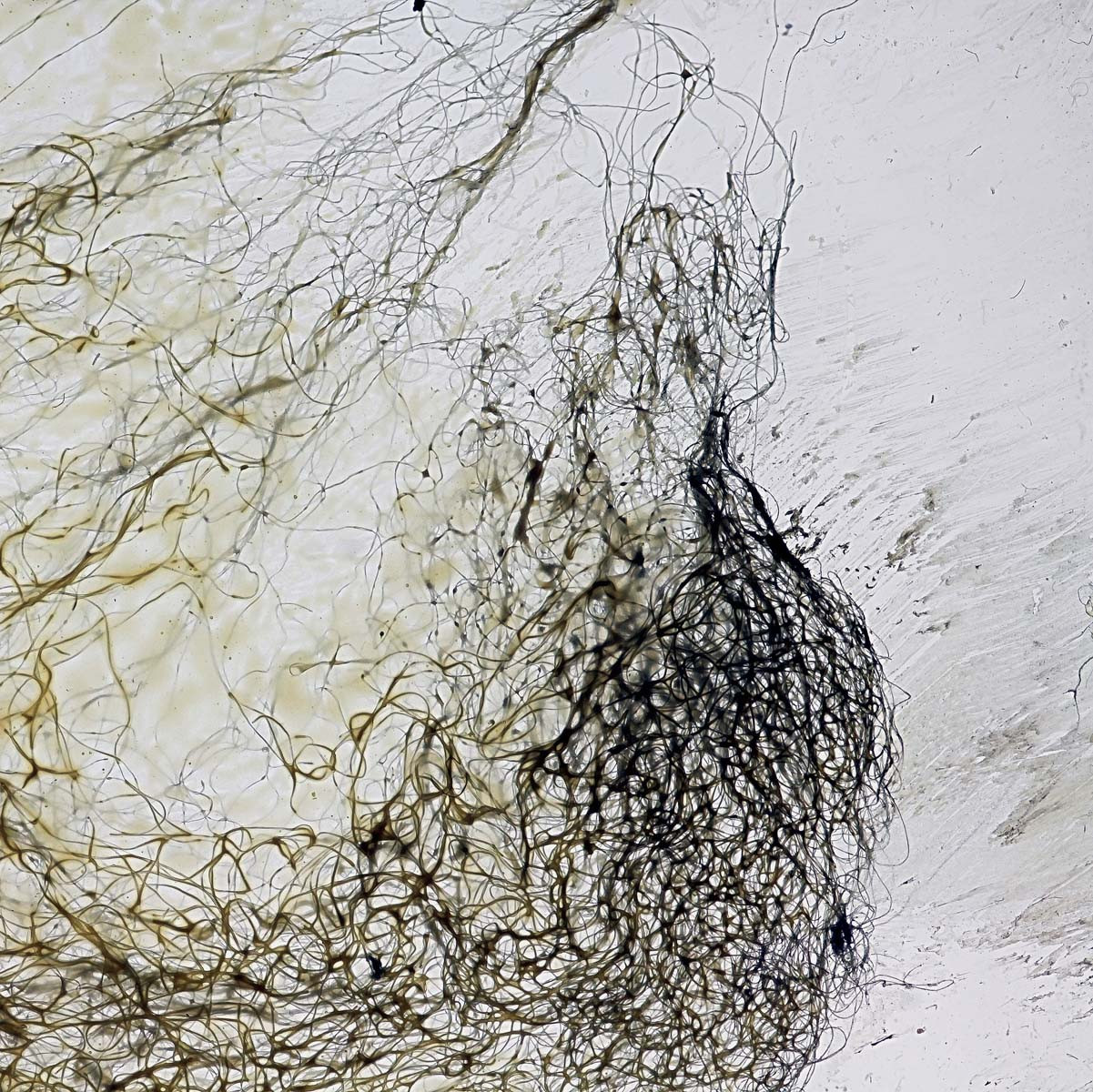
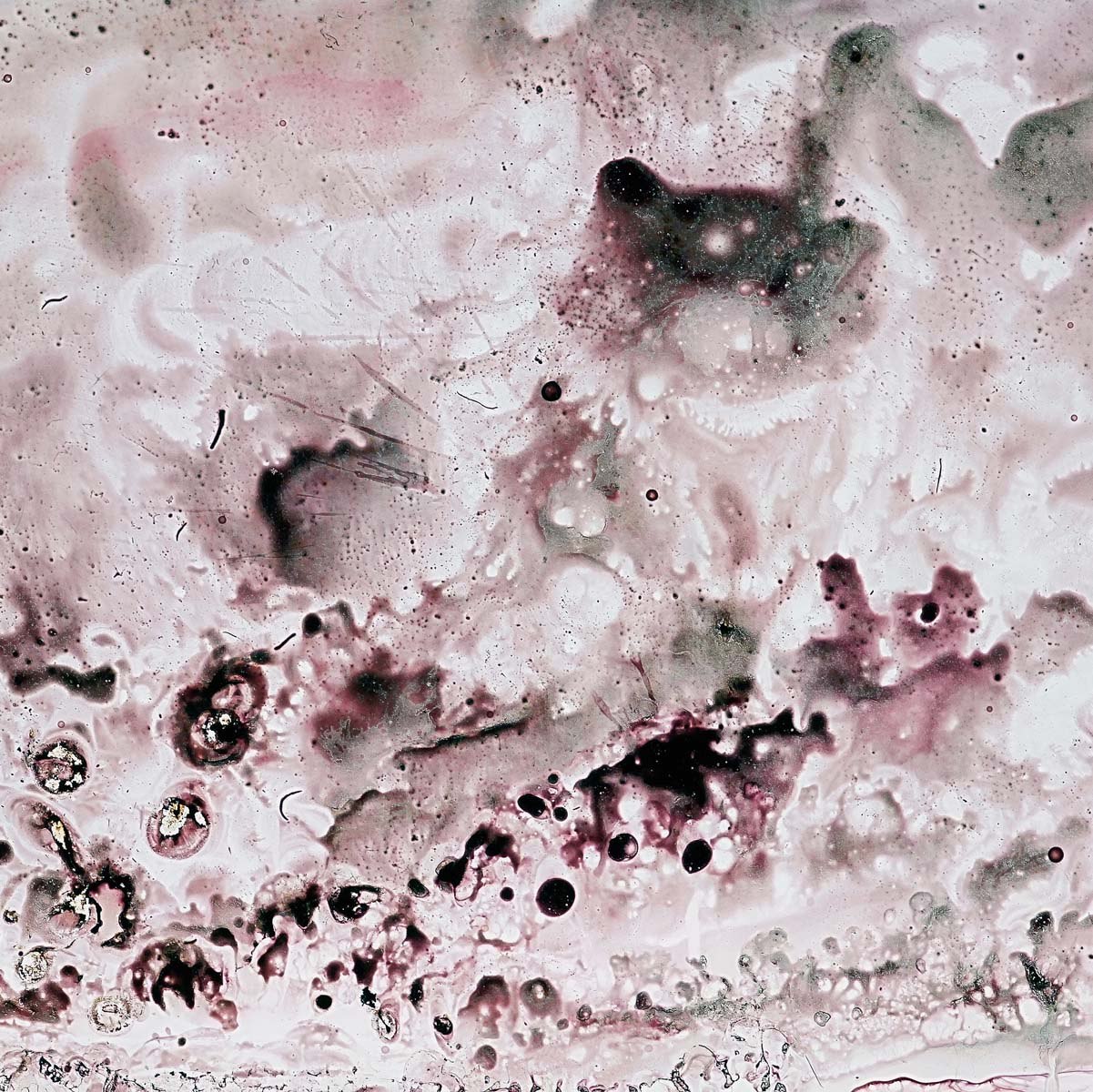
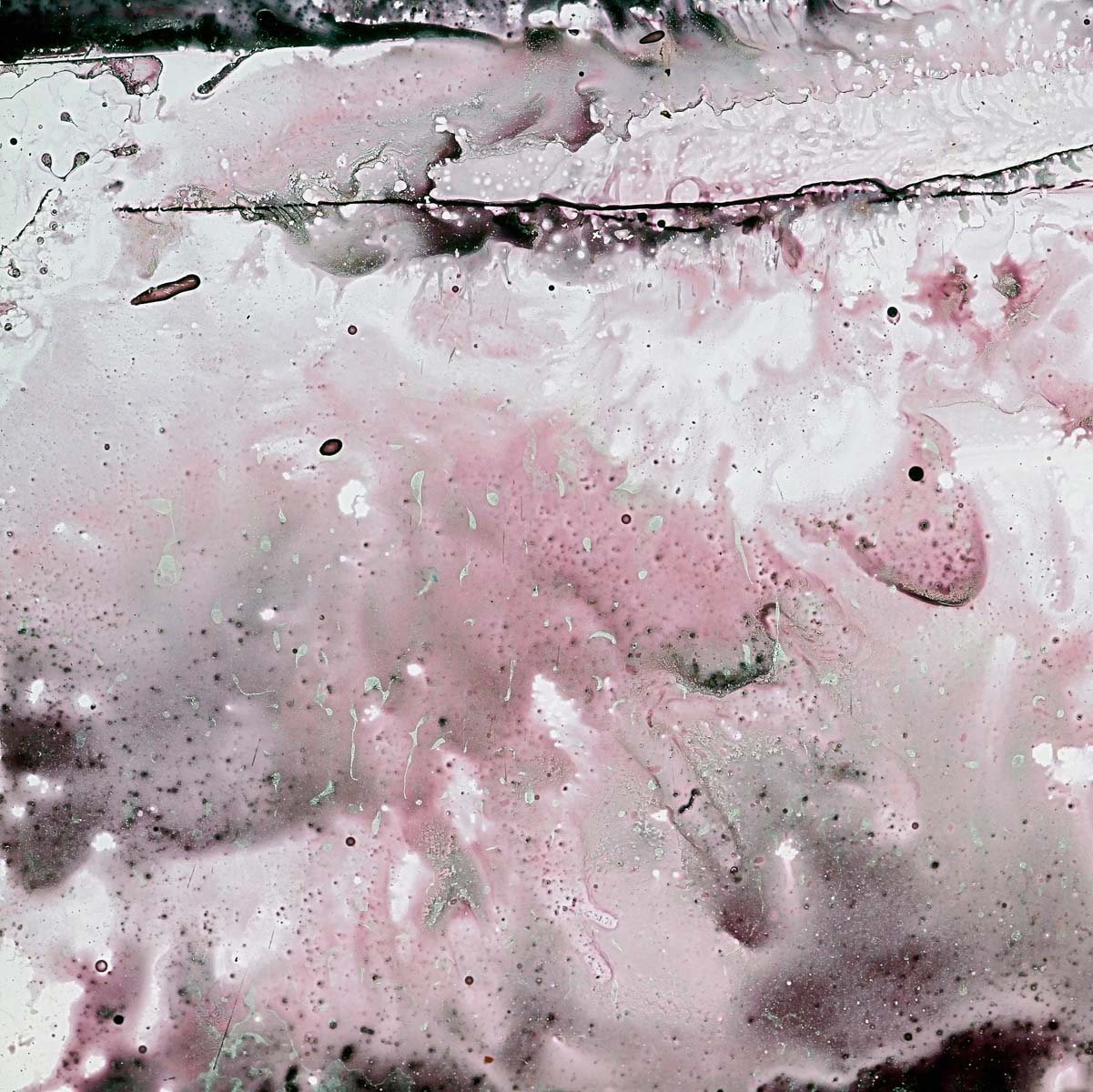
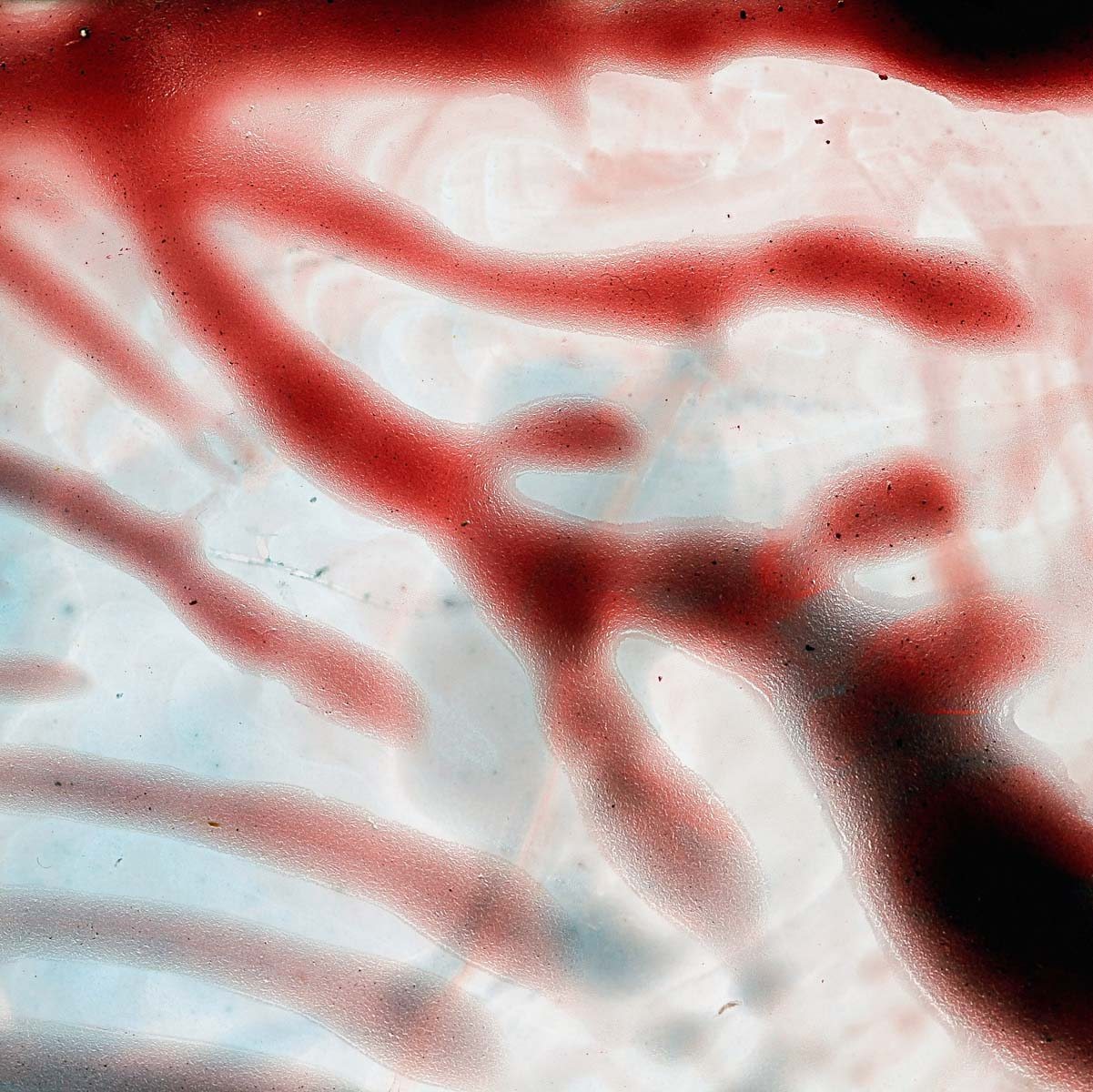
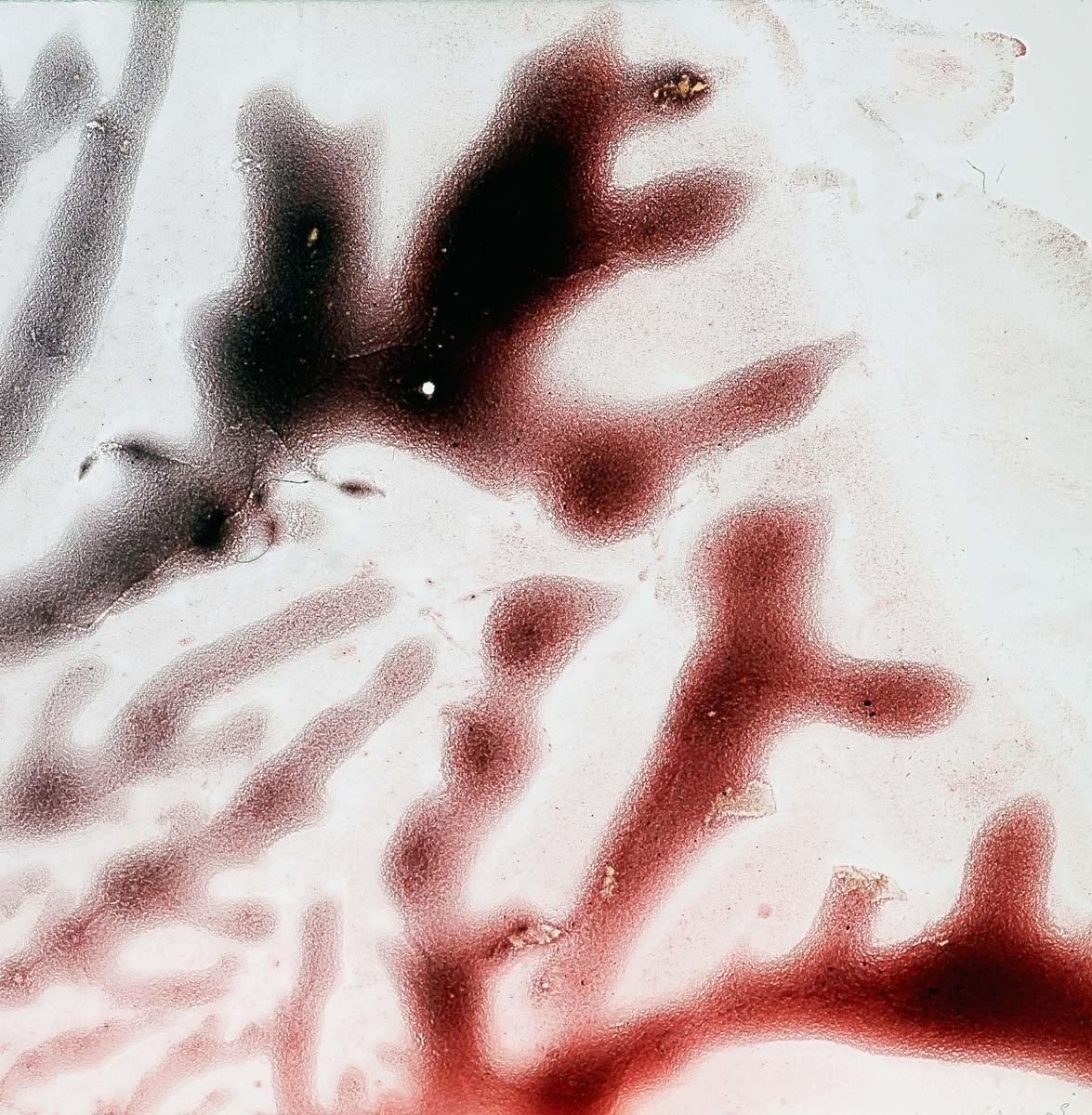
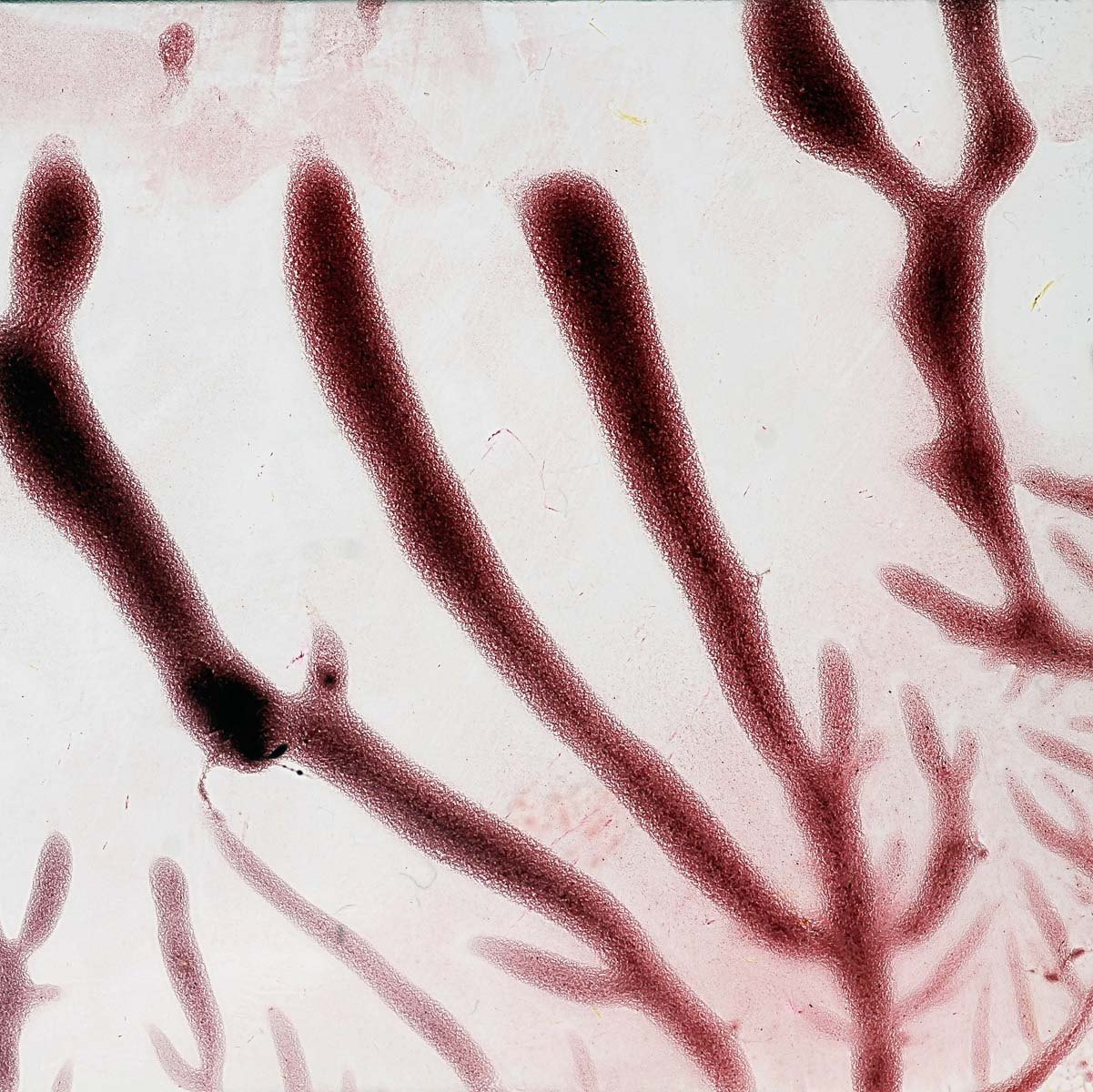
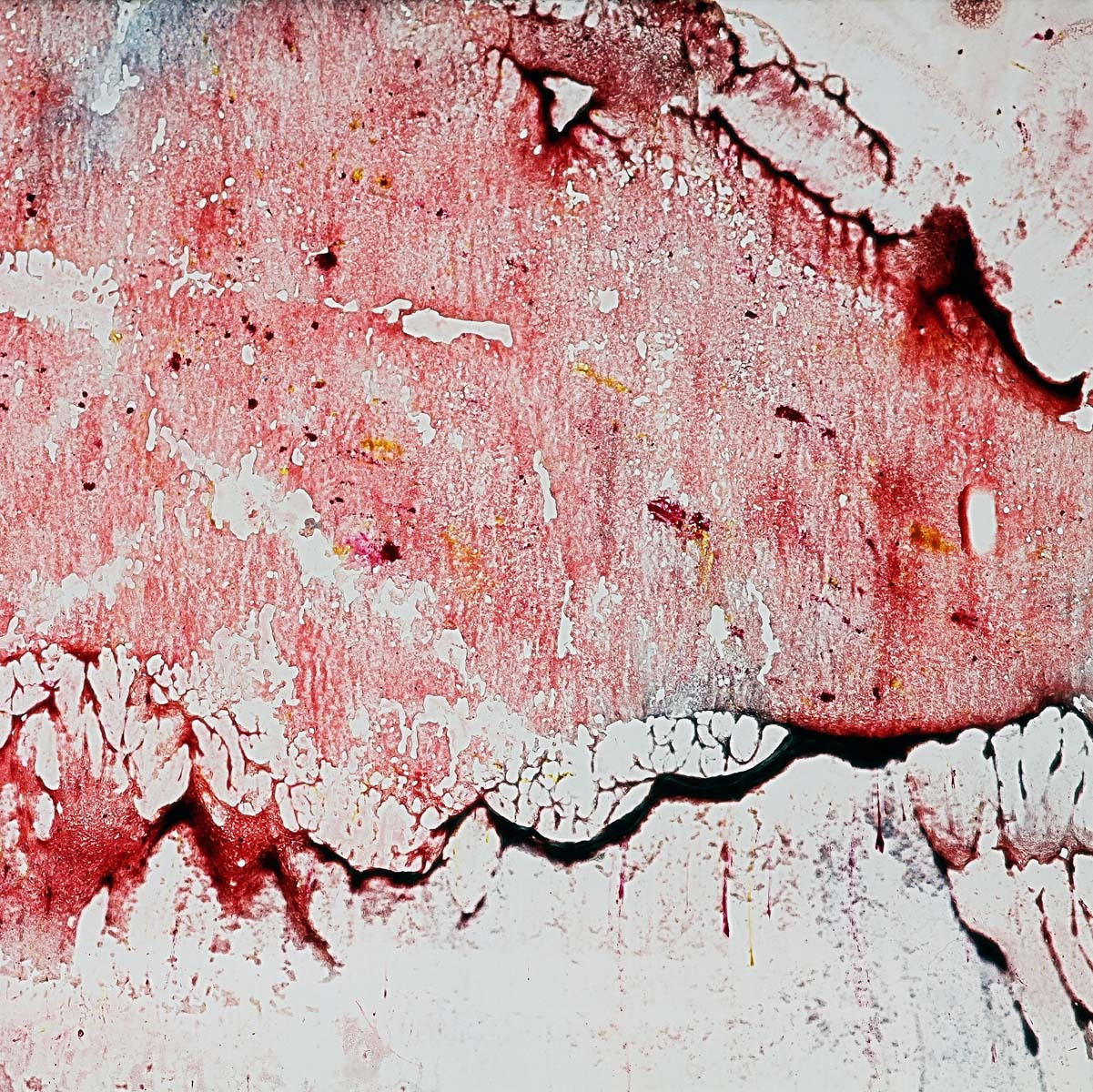
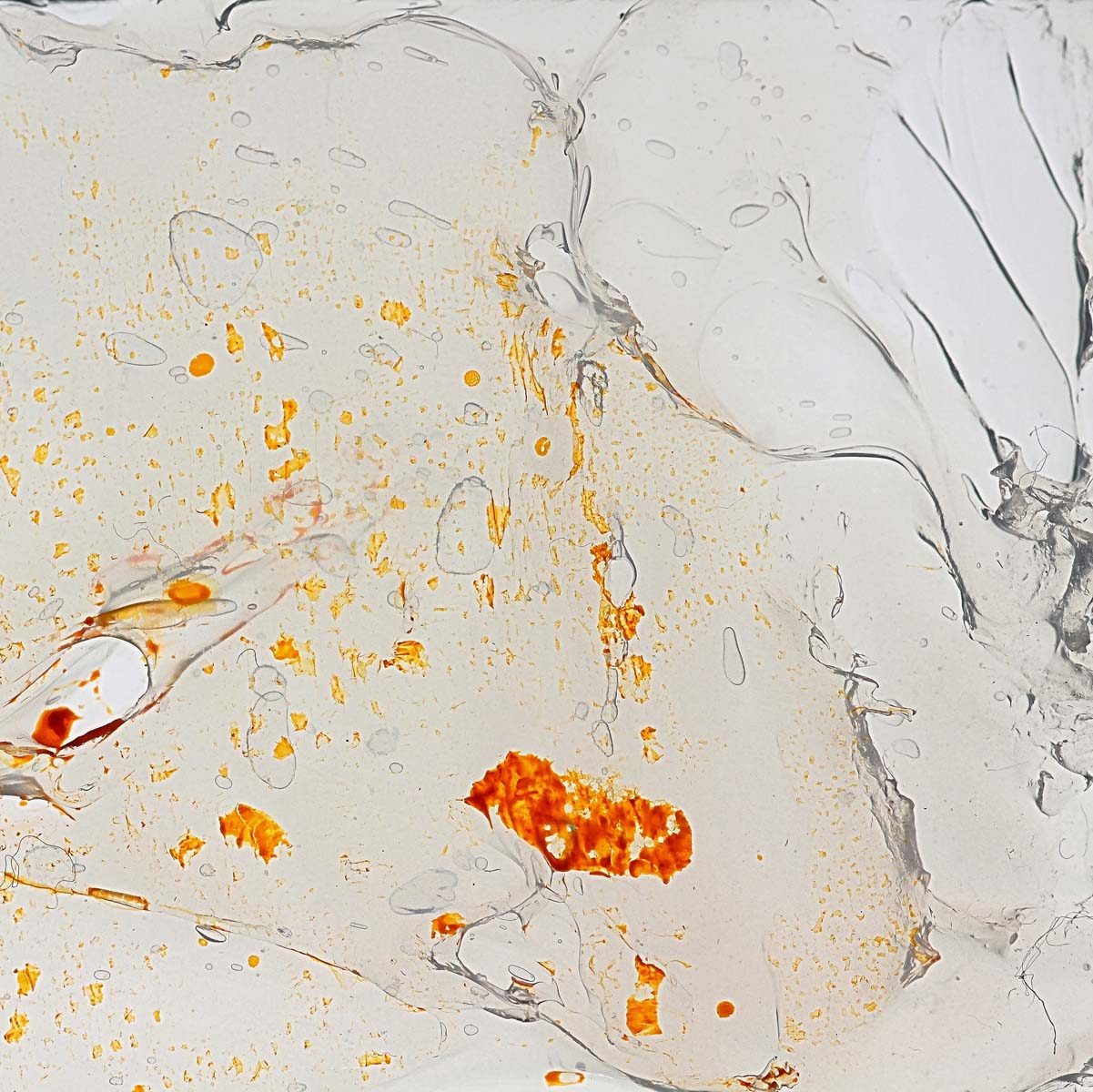
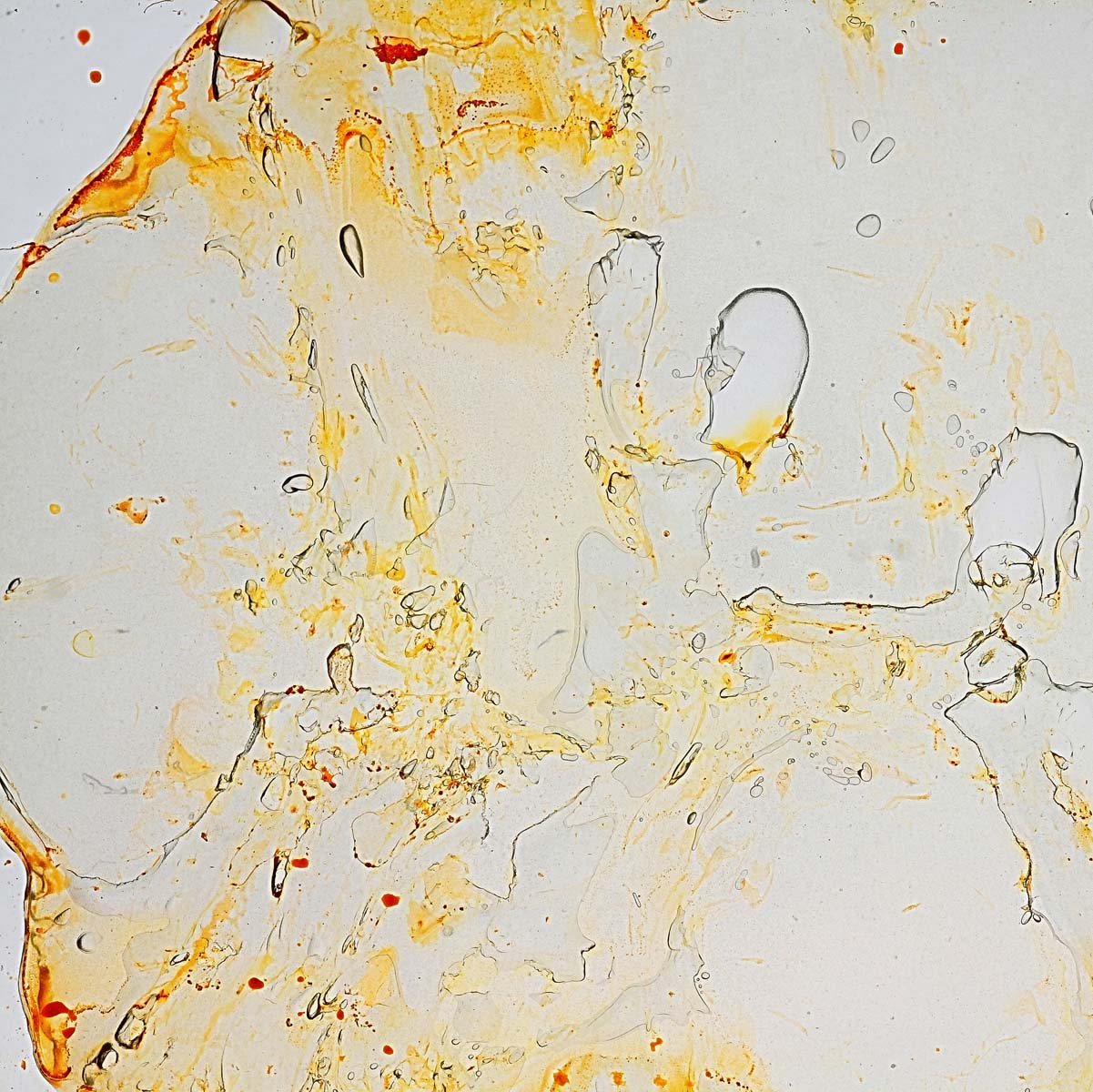
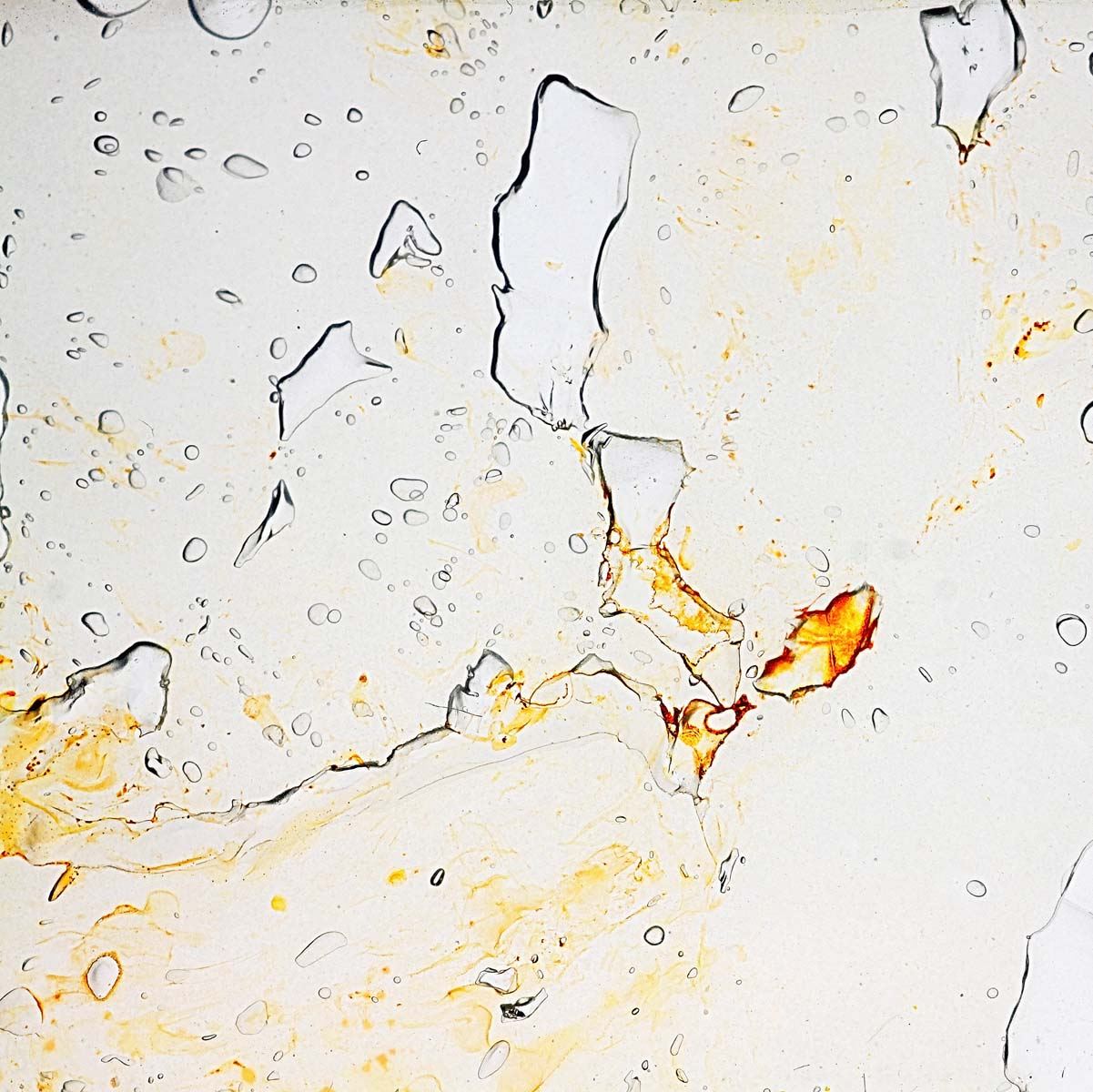
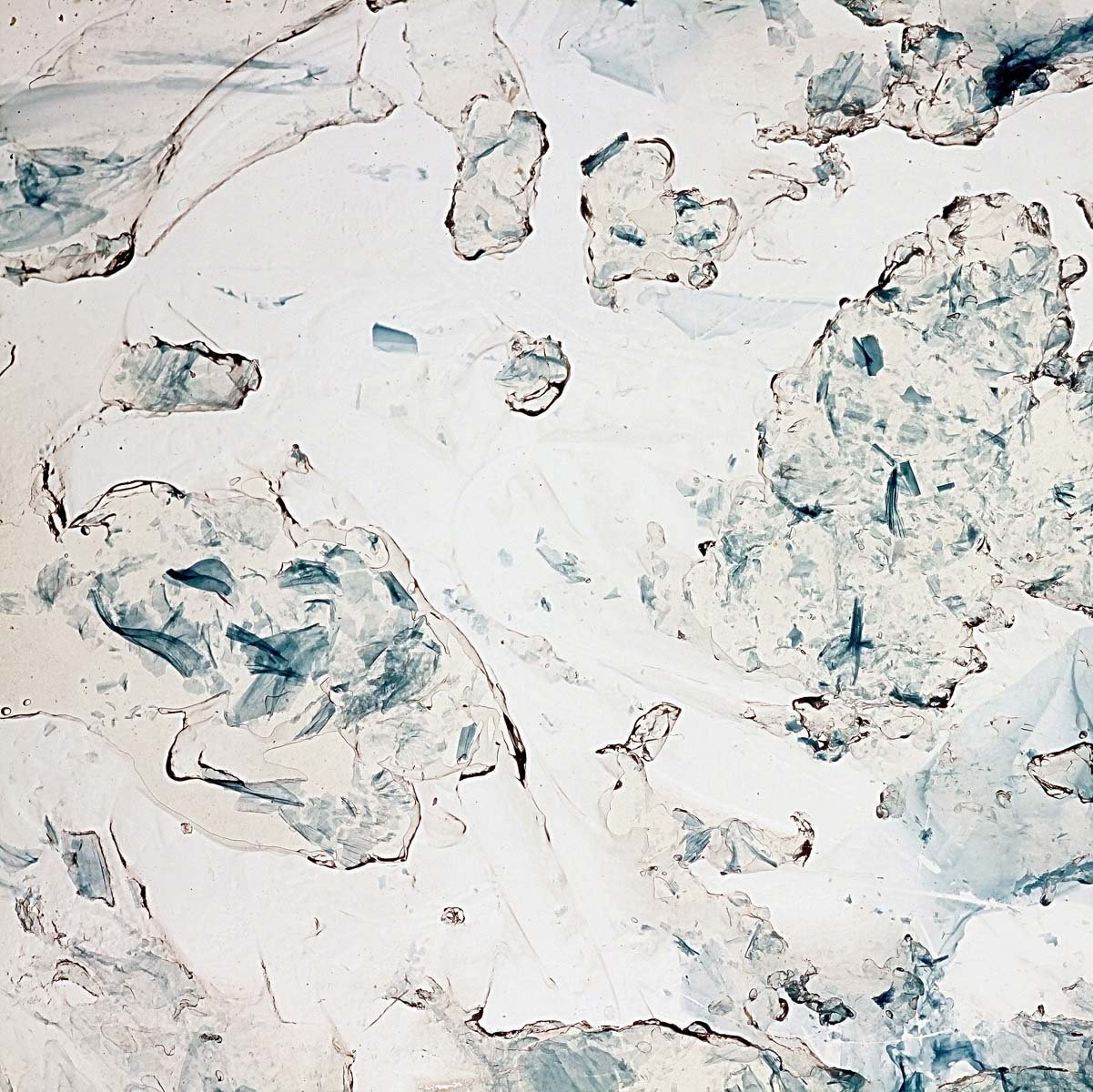
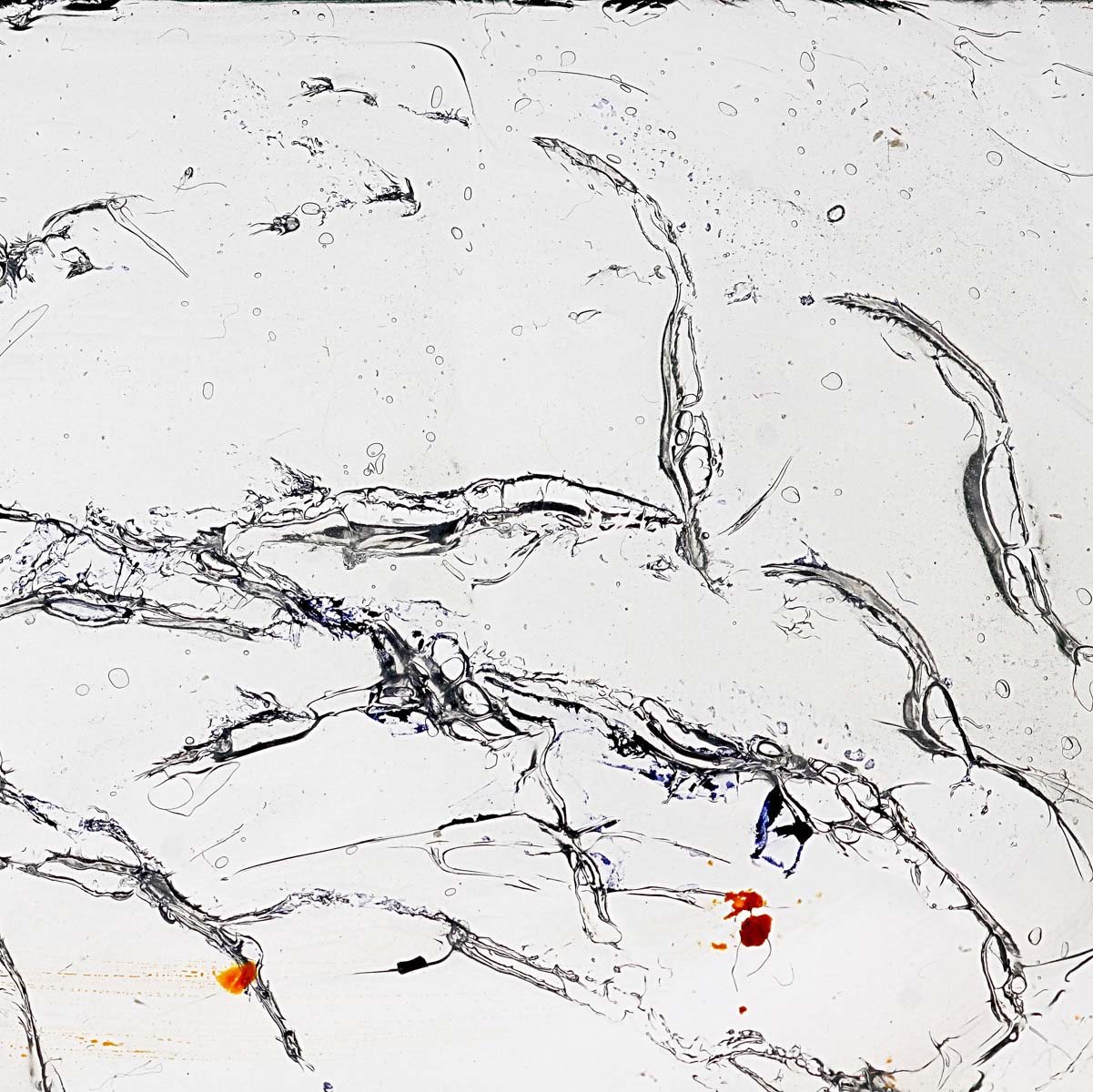
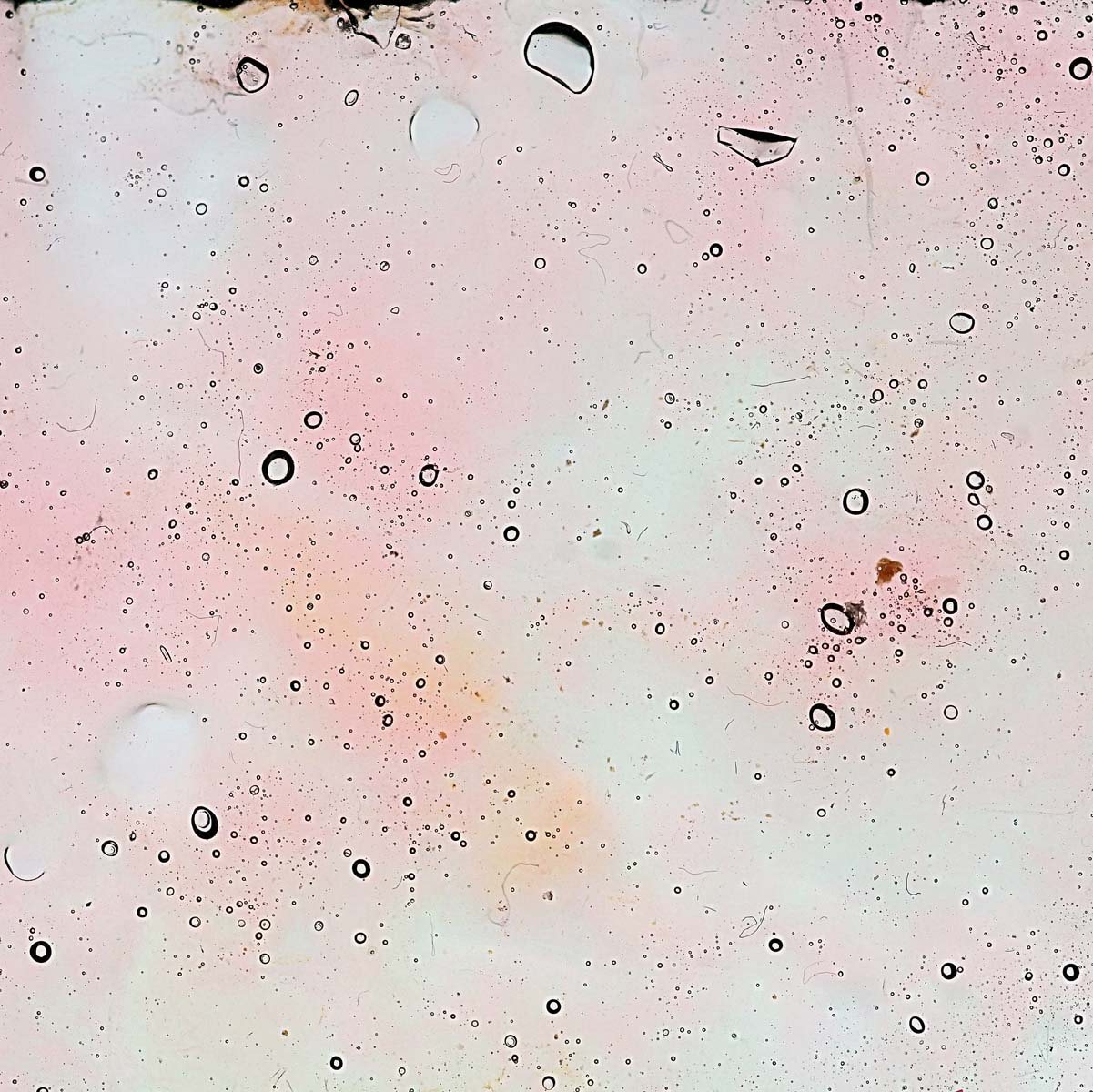
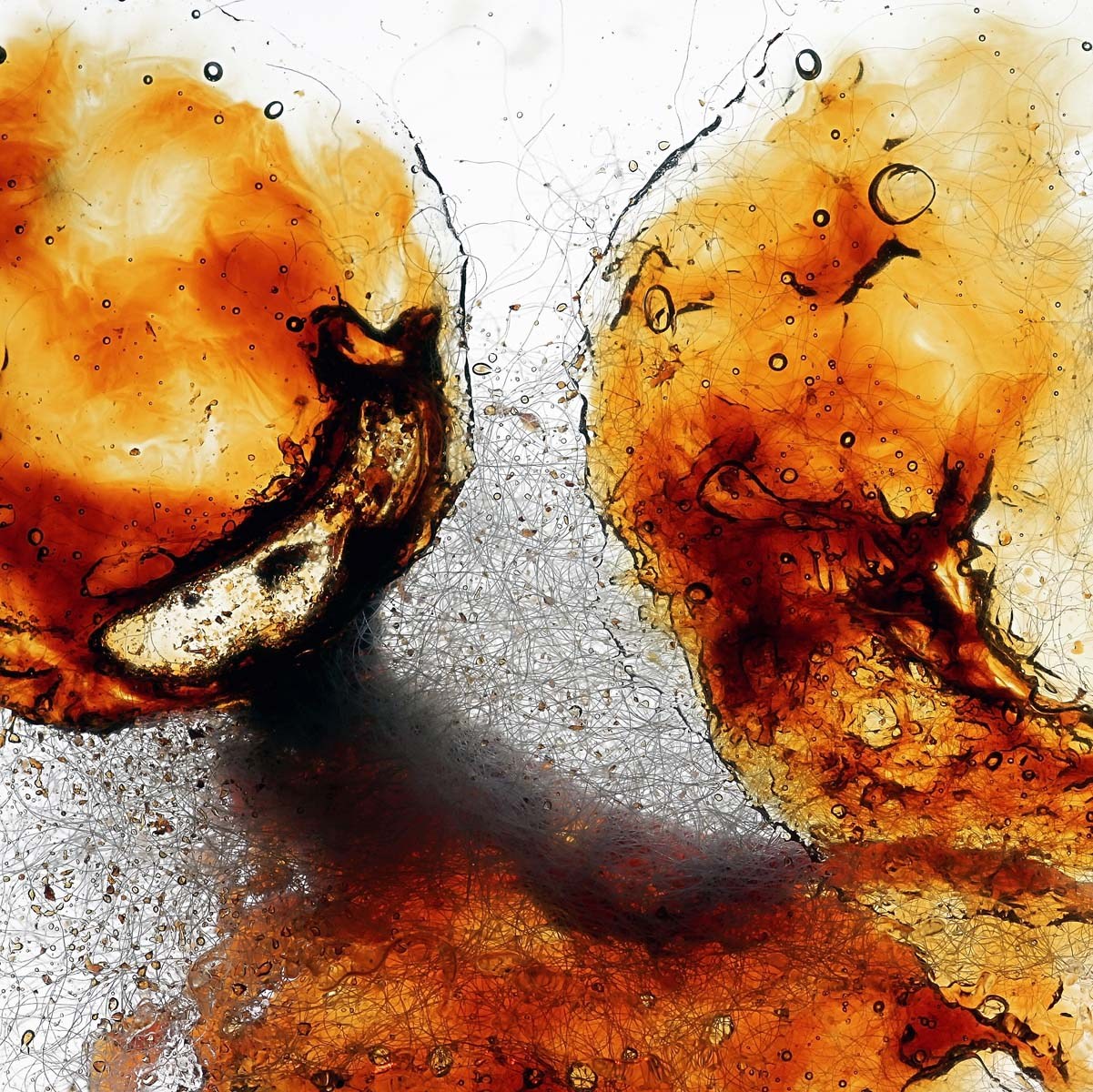
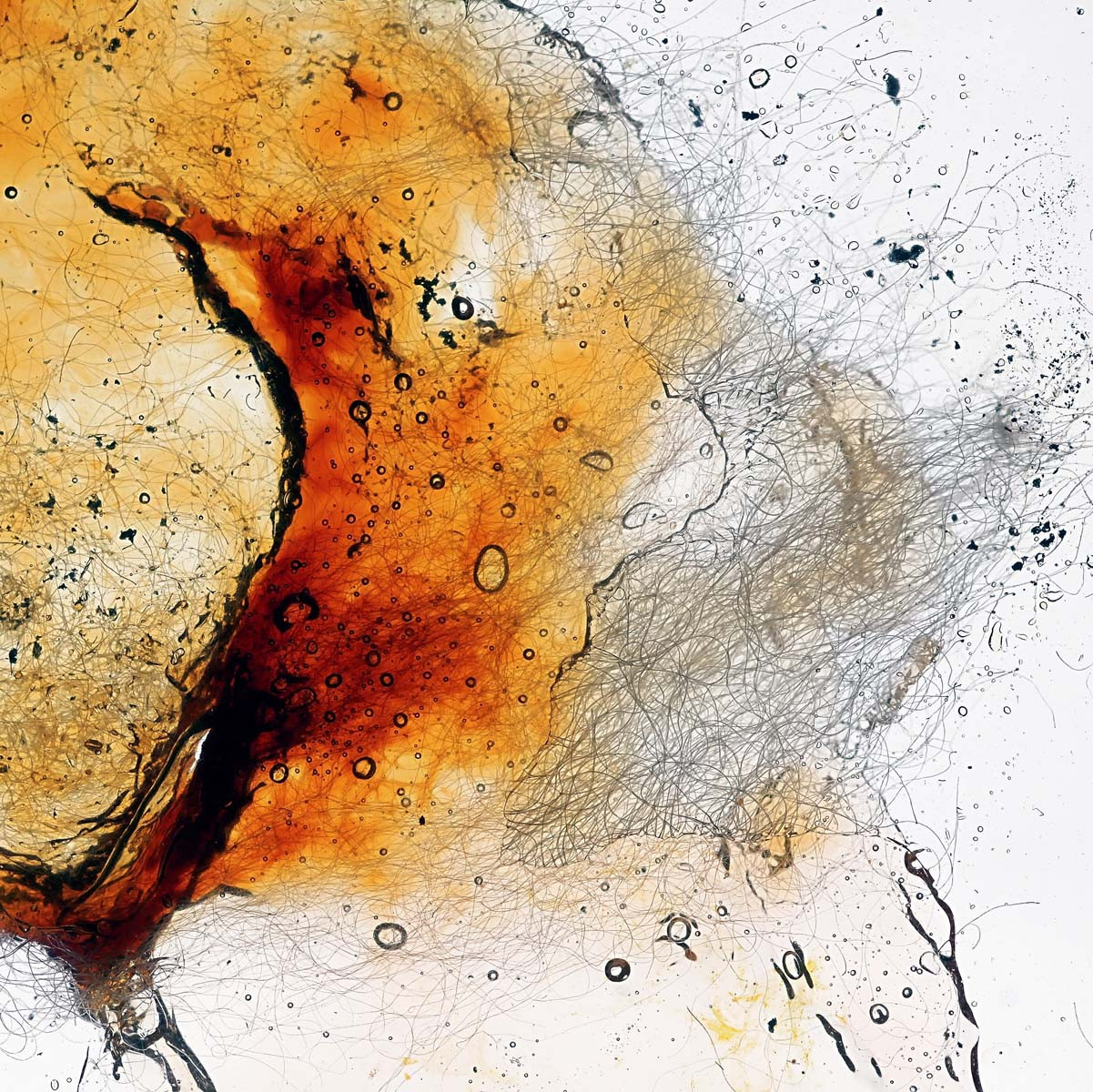
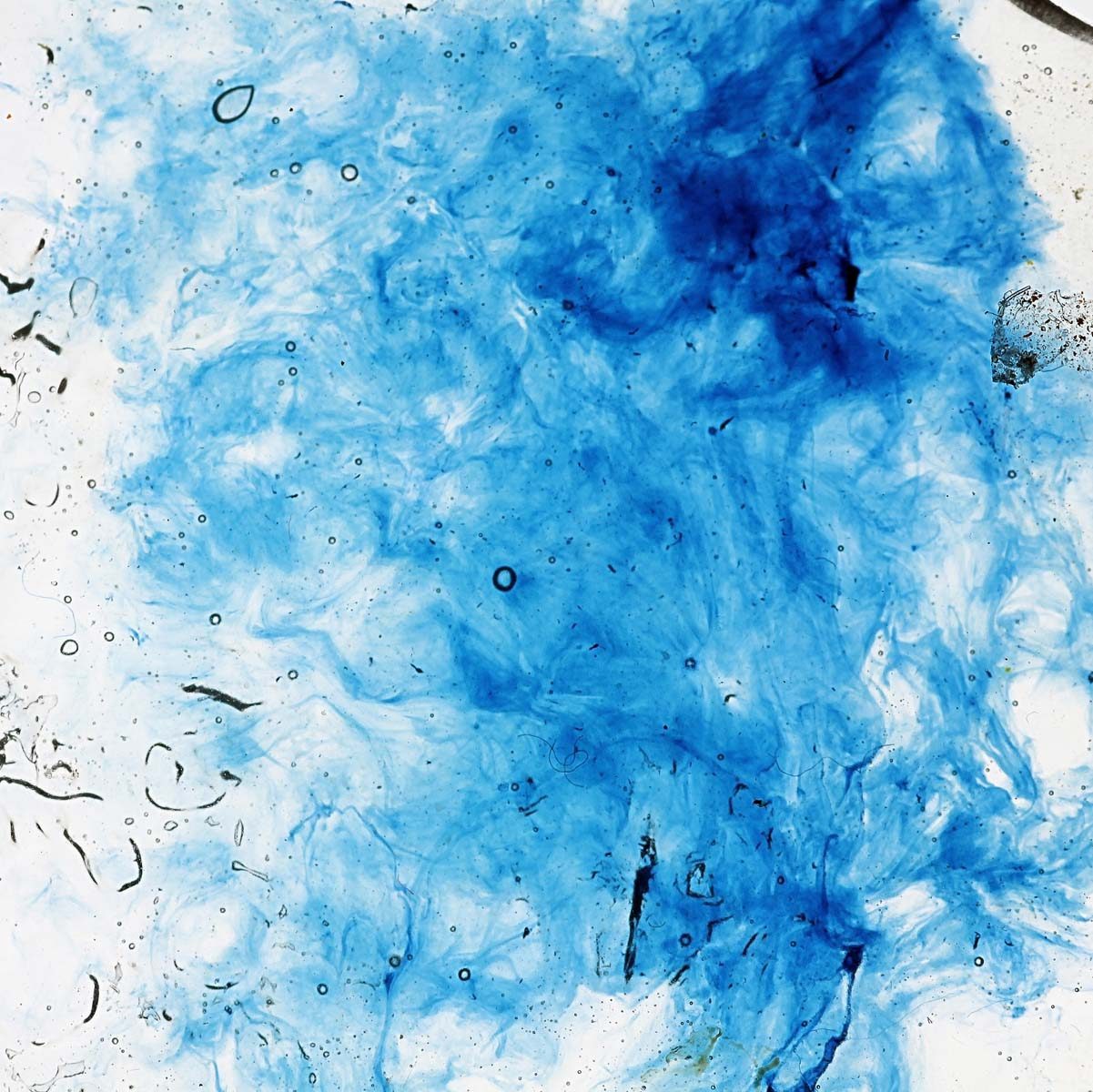
La Mer is a series of works created directly on the glass of classic slide frames. I removed the original slide and used one of the two glass plates as an open image carrier on which I experiment with materials that themselves form an intermediate world: liquid or viscous, transparent or milky, unstable or surprisingly hard.
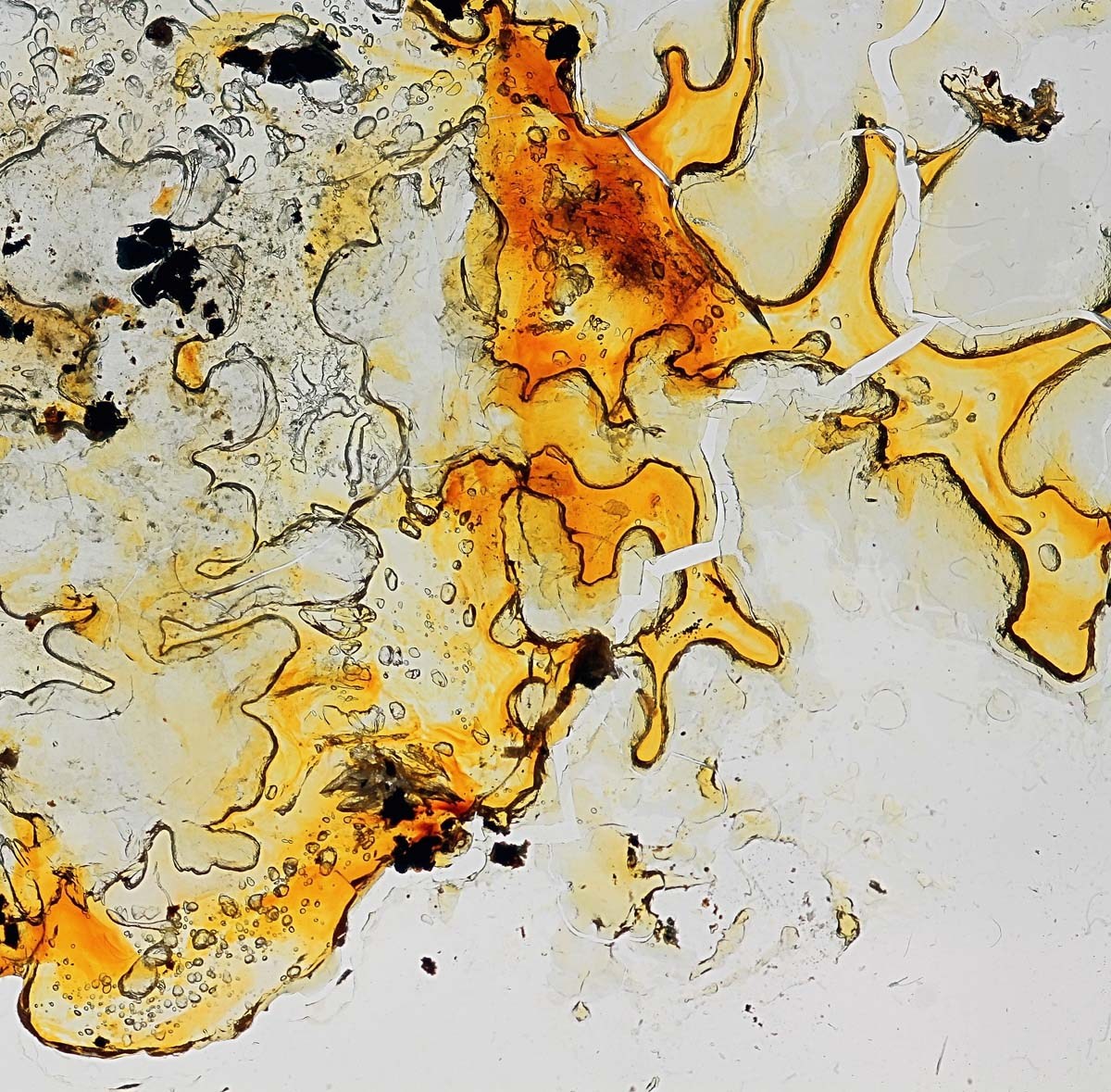
I used nail polish, nail polish remover, glazes, thinly applied wax crayons, syrup, honey, sugar, cling film, and various colored media. Some of these substances react with each other, others change their structure under heat, so I melted or reshaped them in the microwave.
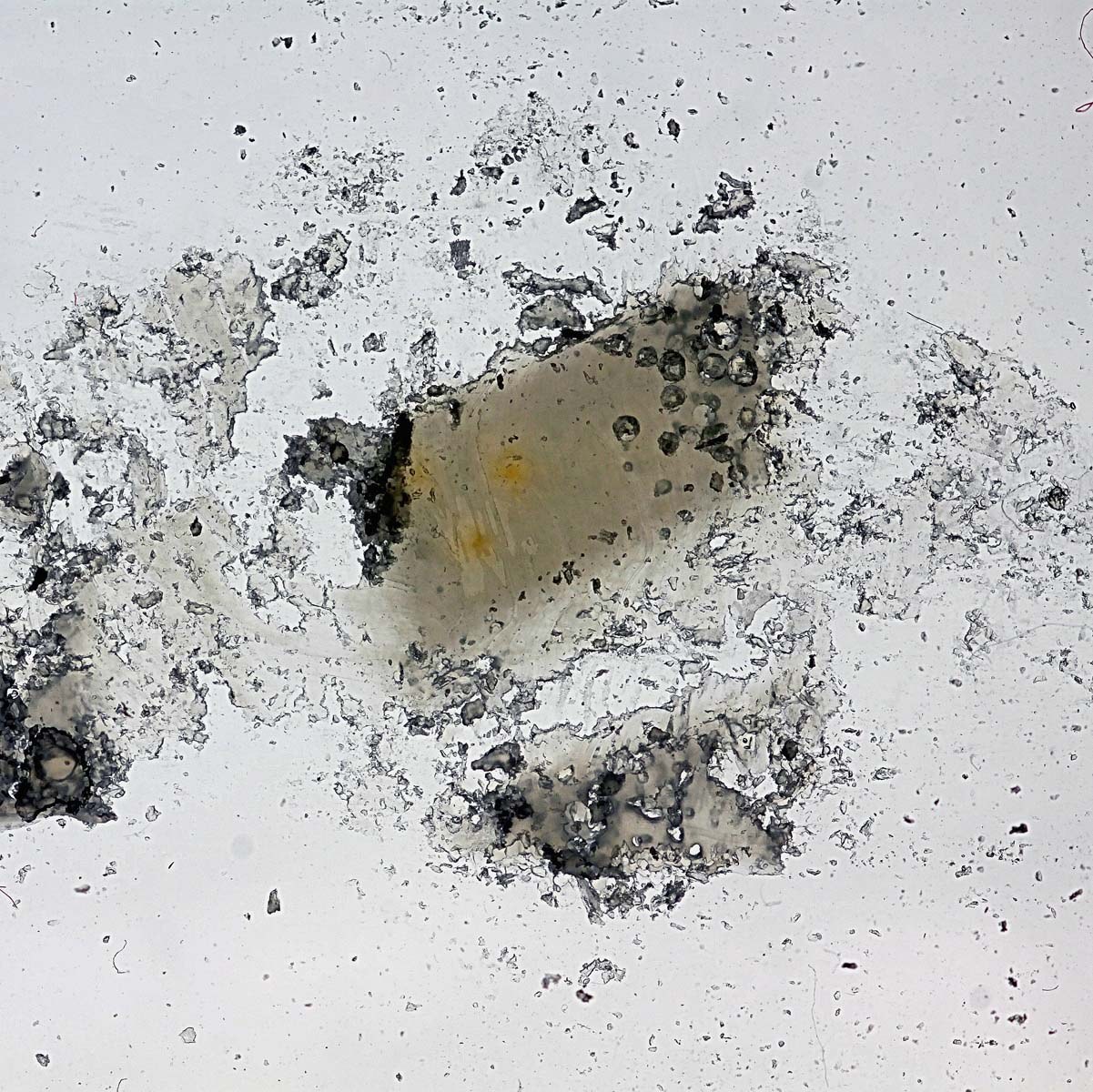
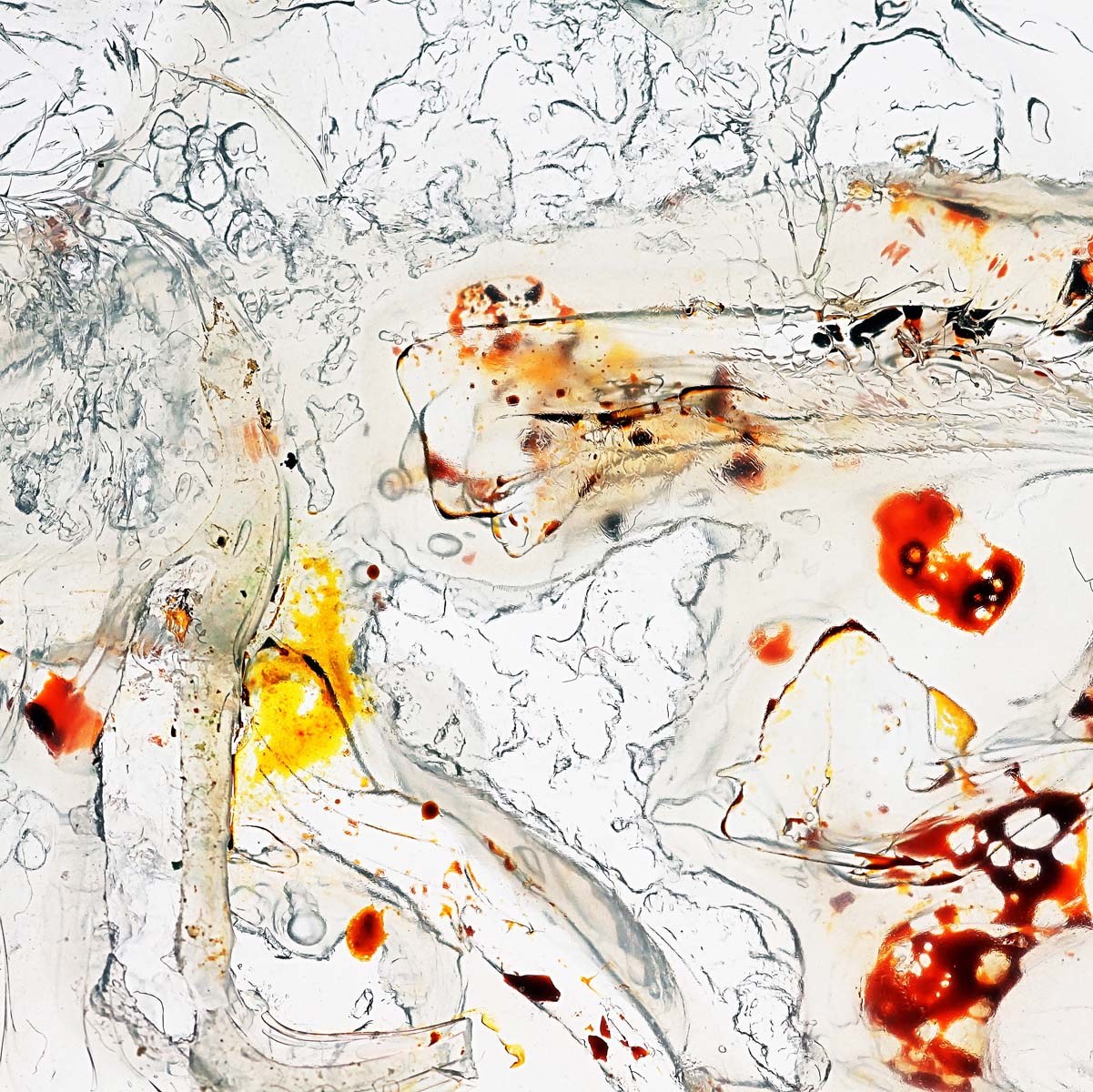
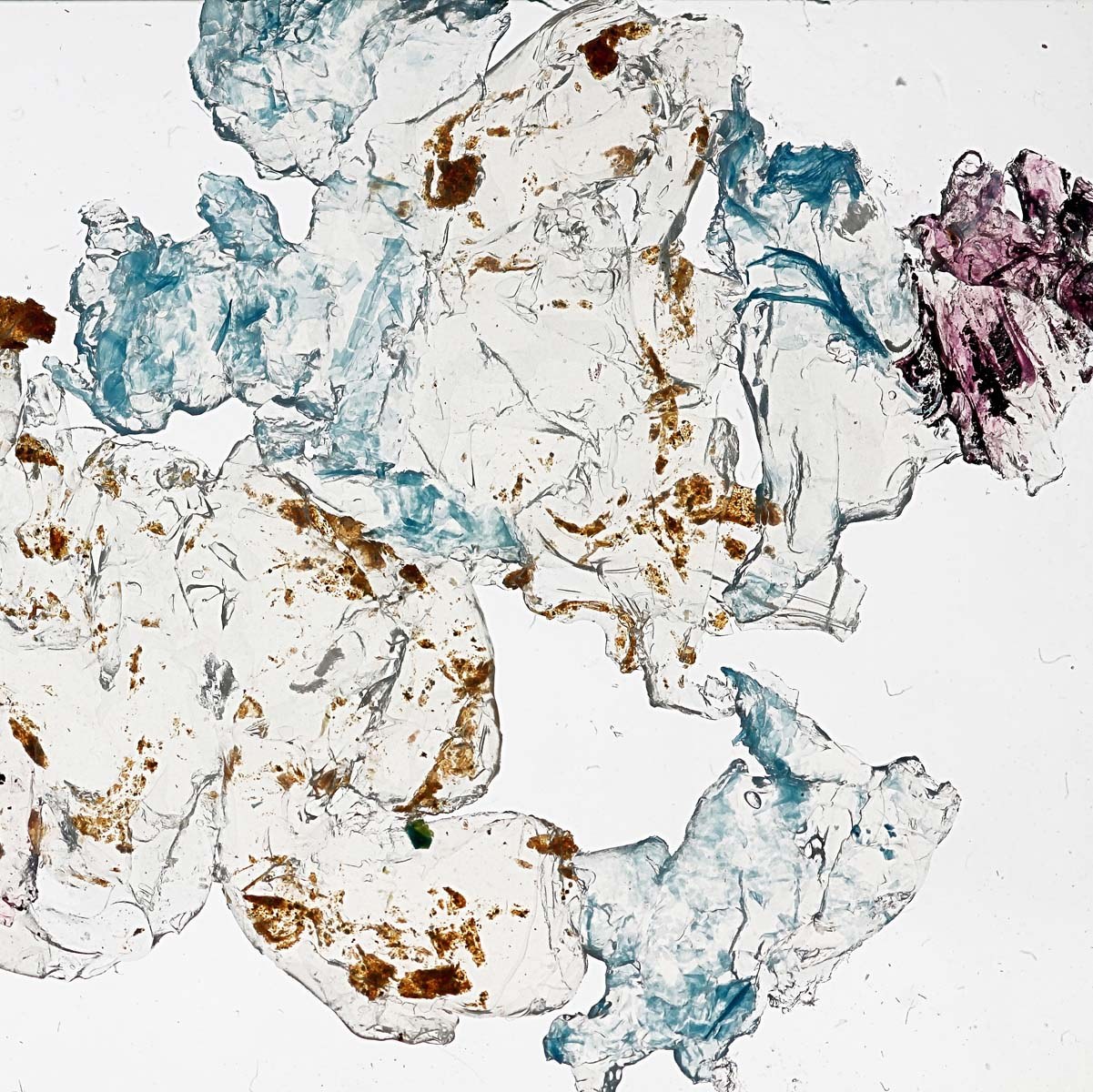
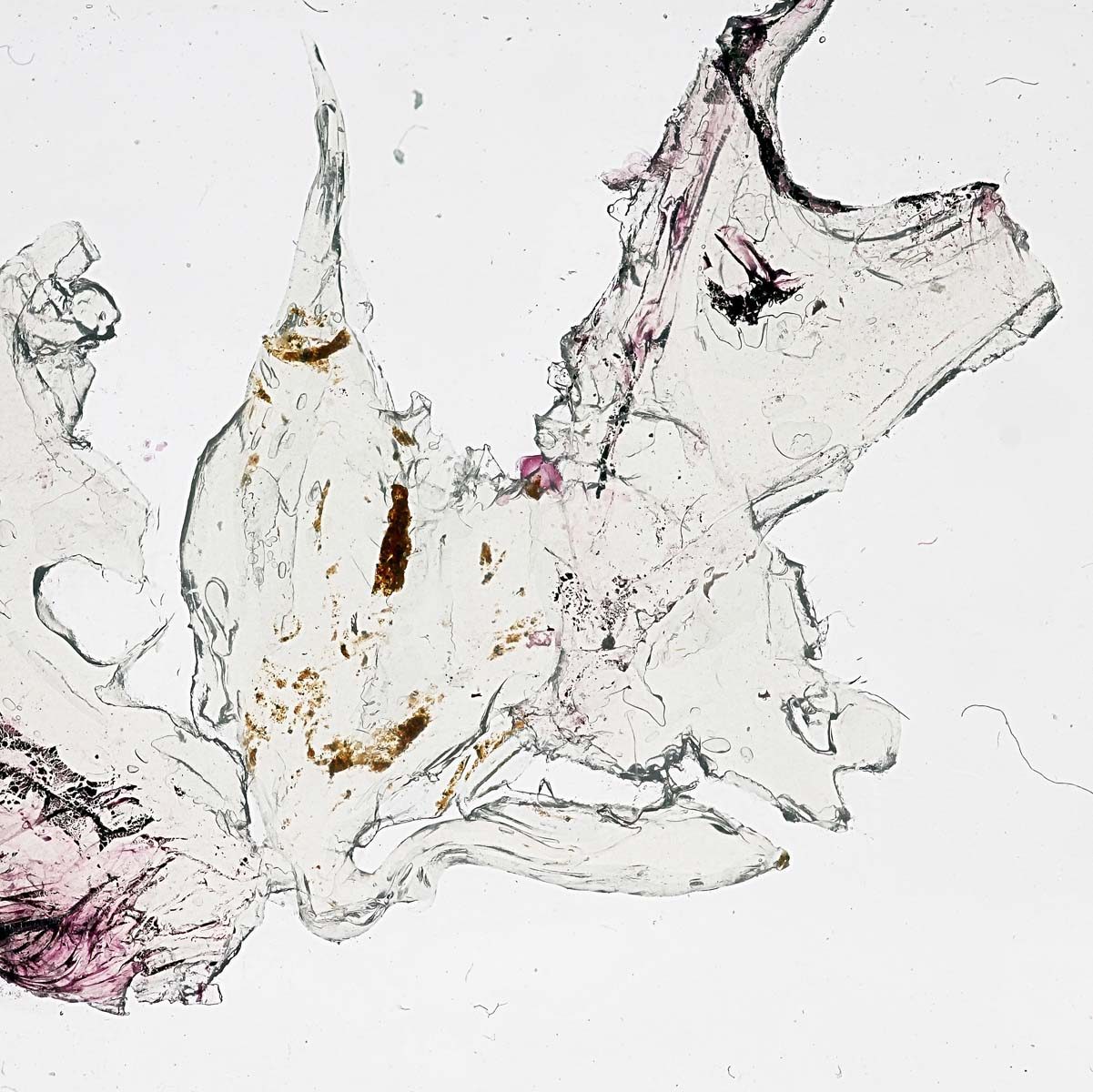
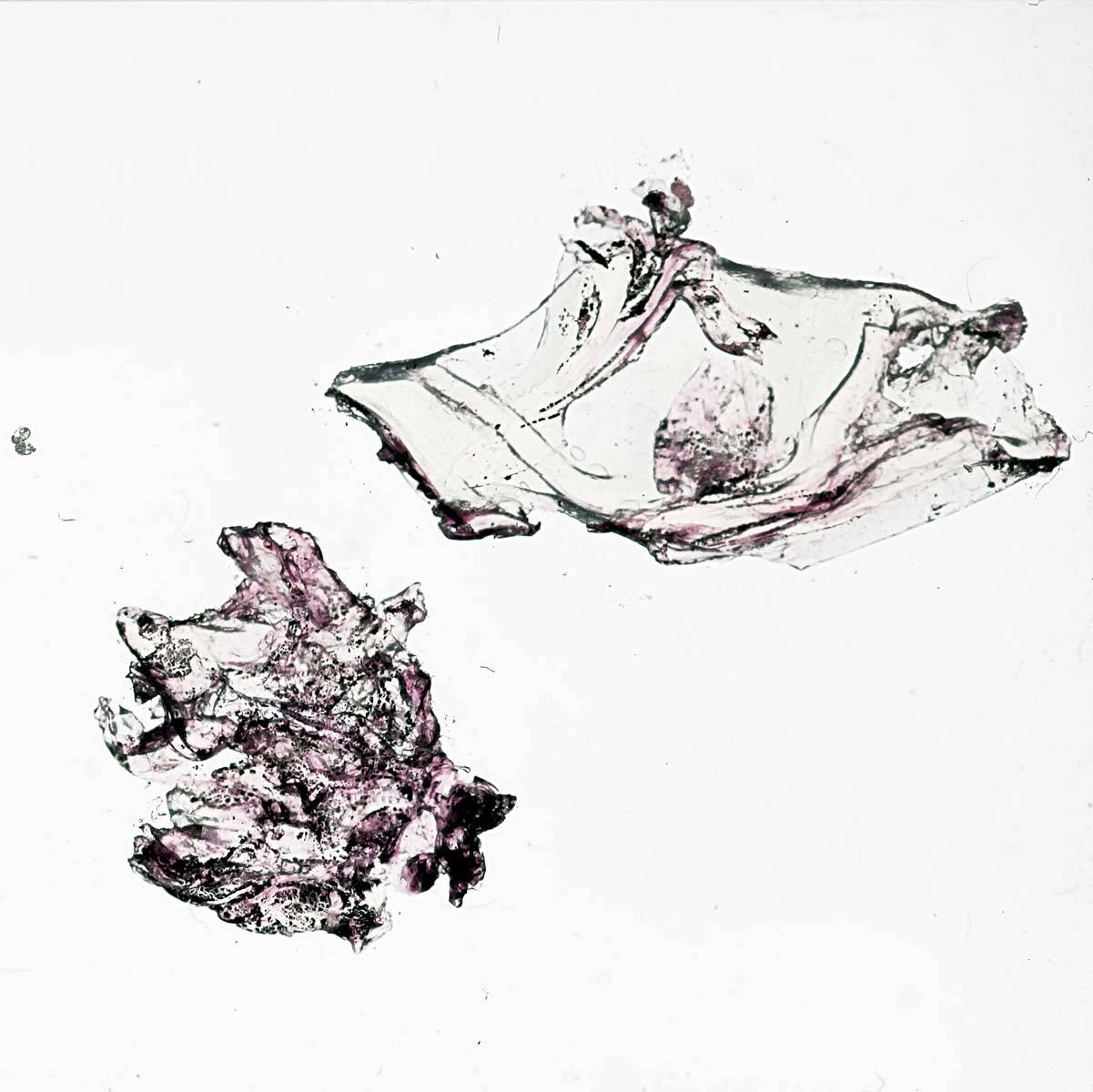
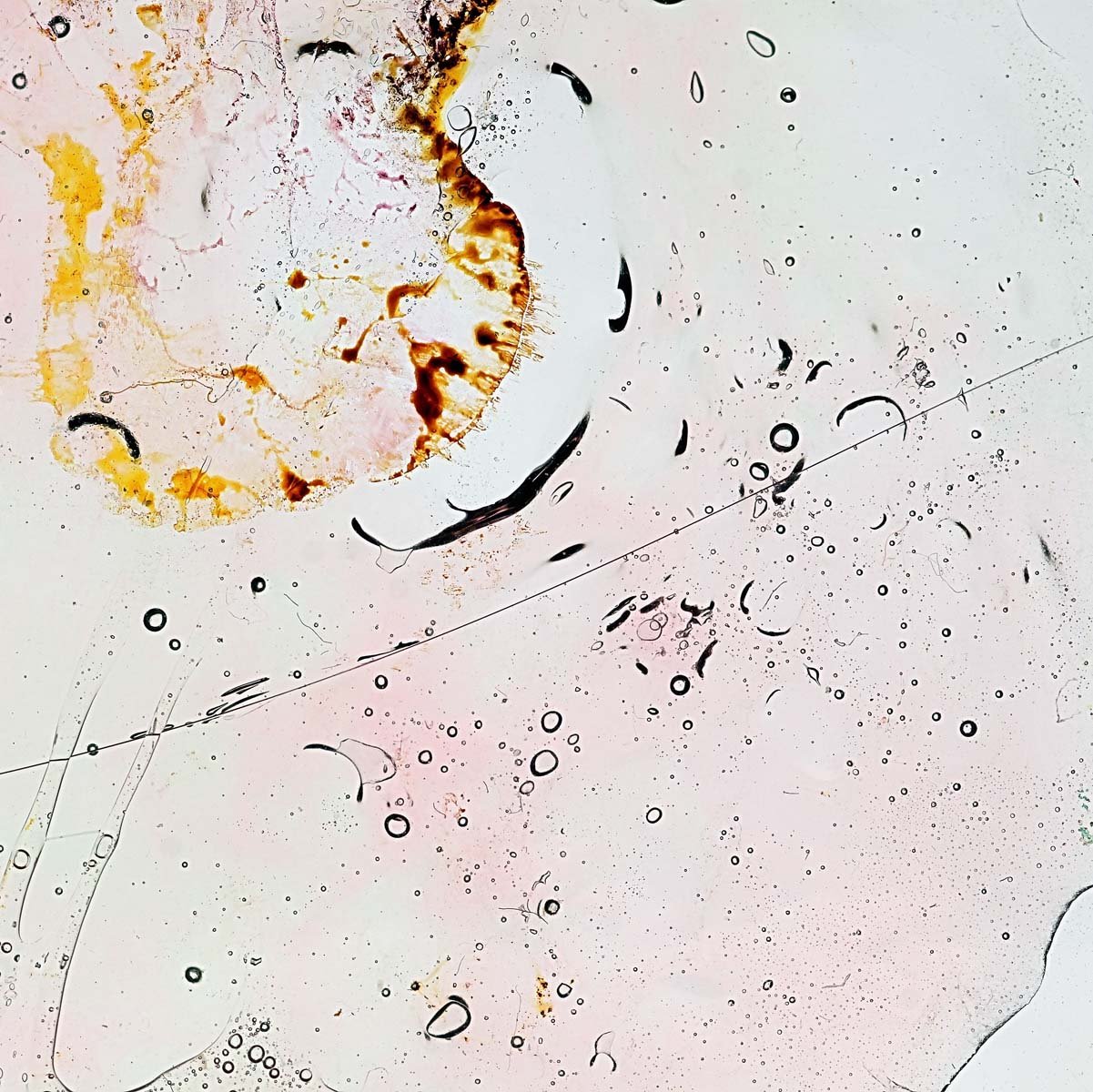
Organic materials were also added: for example, carp scales denatured in vinegar, which I then colored, or fragments of shrimp carcasses. These inclusions act like microscopic sediments—remnants of memories from a biological world that become visual structures in the light of the projection.
All materials are translucent or semi-transparent; they allow light to pass through, refract it, hold it back, and guide it to the edge of opacity. The glass plate itself thus becomes a resonance chamber in which layers, inclusions, bubbles, traces, and random reactions enter into a fluid relationship with one another. Only when viewed against the light or in projection do the slides reveal their true vitality: they appear like small, floating seascapes in which organic and synthetic materials merge into one another.
La Mer is therefore less a representation of the sea than an investigation of its material logic: a field of experimentation involving flowing, coagulating, condensing, and dissolving. The miniatures oscillate between image and object, between nature and artifact, reminding us that material itself carries a form of memory—a liquid that perhaps only coincidentally became glass.